••
NFTs Reshape Real Estate: Transforming Ownership and Access
Non-fungible tokens are redefining real estate transactions, enhancing transparency and accessibility while challenging traditional models.
Share Article:

Editorial Illustration · MoneyAllotment
The market for tokenized real-world assets climbed past USD 38 billion during 2026, but that figure should not be confused with the size of tokenized real estate itself.
Independent trackers show meaningful disagreement on the market's exact size at any single date, which makes precise historical comparisons difficult. RWA.xyz-based reporting placed the broader tokenized RWA market at roughly USD 27.5 billion by the end of the first quarter of 2026, up from about USD 21 billion at the start of the year. By early September, figures drawn from RWA.xyz and cited across multiple outlets placed distributed on-chain value in the USD 38 billion to USD 39 billion range.
Real estate remains a much smaller part of that market. RWA.xyz tracked approximately USD 226.5 million in distributed tokenized real estate value and about USD 1.34 billion in represented value as of mid-September 2026.
The distinction matters because the real story in property tokenization is increasingly less about turning buildings into NFTs and more about how legal ownership, securities rules and blockchain records fit together.
The Legal Structure Matters More Than the Token
A blockchain token does not automatically become the legal title to a house, apartment building or commercial property.
In many structures, investors instead receive an interest in a company, fund or other legal vehicle that owns or has economic exposure to the underlying property. The blockchain can then be used to record, distribute or transfer that interest.
That distinction became clearer in the United States when SEC staff published a statement on tokenized securities on January 28, 2026.
The statement defines a tokenized security as a financial instrument that already falls within the legal definition of a security but is formatted as, or represented by, a crypto asset. Ownership records can be maintained partly or entirely through a crypto network.
In other words, putting an existing security on a blockchain does not automatically change what that security is under federal law.
The SEC and CFTC added further clarification in March. Their joint interpretation addressed how federal securities laws apply to different crypto assets and transactions. It became effective on March 23, 2026.
That interpretation did not declare every real-estate token a security. The legal treatment still depends on the rights being sold and the structure of the transaction. But when the token represents a security, using blockchain technology does not remove the applicable securities-law obligations.
U.S. issuers also have several possible securities-law pathways.
For example, Rule 506(c) of Regulation D allows general solicitation when all purchasers are accredited investors and the issuer takes reasonable steps to verify their status.
Individuals can qualify as accredited investors through several routes, including net worth above USD 1 million excluding a primary residence, or qualifying income thresholds.
Regulation A provides another route. Tier 2 can be used for offerings of up to USD 75 million in a 12-month period and can include non-accredited investors, although investment limits and additional disclosure requirements may apply.
The regulatory structure therefore matters at least as much as the technology used to represent an investment.
What a Blockchain-Based Property Platform Looks Like
Lofty provides a useful example of how blockchain-based fractional real estate works in practice.
The company says investors can buy fractional interests in rental properties, with ownership structured through a property-specific LLC. Lofty's terms also describe a protocol operating across public blockchains, including Algorand.
The platform currently advertises more than USD 100 million invested in real estate, more than 40,000 investors and over USD 5.2 million in rent distributed.
Shares can often be purchased for around USD 50 or less, depending on the property, and rental income is distributed daily.
Lofty lists a 2.5% fee on share purchases and a 3% fee on sales. It reported an average rental yield of 9.2% across its marketplace as of mid-2026, although actual returns vary by property and past figures do not guarantee future performance.
The important point is that the blockchain component does not eliminate the conventional legal structure. Investors still rely on the LLC that holds the property and the contractual rights attached to their ownership interest.
Arrived provides an interesting comparison because its own materials describe its investments as fractional shares in properties and funds rather than presenting blockchain tokens as the core ownership mechanism.
Arrived's individual property offerings are Regulation A securities qualified by the SEC. Both accredited and non-accredited investors can participate, subject to eligibility requirements, and the platform currently lists a USD 100 minimum investment.
SEC filings confirm that Arrived entities continue to issue classes of securities under Regulation A.
The comparison shows why fractional real-estate investing and real-estate tokenization should not automatically be treated as the same thing. Both can divide exposure to a property among many investors, but blockchain is an additional technology layer rather than a requirement for fractional ownership.
Commercial Law Is Catching Up
Securities regulation is only part of the legal picture.
The 2022 amendments to the Uniform Commercial Code introduced Article 12, which deals with a category of digital assets known as Controllable Electronic Records.
The amendments also changed parts of Article 9 dealing with secured transactions.
Together, those rules provide a framework for issues such as control, transfer, perfection and priority when certain digital assets are used in commercial transactions or as collateral.
By 2026, more than 30 U.S. jurisdictions had enacted the amendments, although the exact rules and effective dates can differ from state to state.
That development matters for tokenization because financial institutions need more than a blockchain record. Lenders, custodians and investors also need predictable legal rules explaining who has enforceable rights when digital assets are transferred, pledged or used as collateral.
Dubai is taking a different but equally significant approach.
On February 9, 2026, the Dubai Land Department announced the second phase of its Real Estate Tokenisation Project. The department said resale activity in the project's secondary market would begin on February 20.
The controlled pilot involves the potential resale of approximately 7.8 million real-estate tokens.
Unlike projects built entirely by private companies, the Dubai initiative is being developed with the land-registration authority and regulators involved directly in the framework.
That makes it an important example of tokenization being connected with official property-registration infrastructure rather than operating only as a private blockchain product.
The Market Size Needs Context
One of the easiest mistakes in coverage of tokenized property is to use the size of the entire real-world asset market as if it represented real estate alone.
It does not.
The broader tokenized RWA market includes categories such as U.S. Treasury products, private credit, commodities, stocks, funds and real estate. Fixed-income instruments, dominated by tokenized Treasuries, account for more than half of that total on their own.
Tokenized real estate was far smaller, with RWA.xyz showing roughly USD 226.5 million in distributed value and USD 1.34 billion in represented value as of mid-September 2026.
Real estate may eventually become a larger part of the tokenization market, but the available data does not support describing it as a multibillion-dollar tokenized sector today.
For investors, that smaller market also helps explain why liquidity needs to be examined carefully.
A token may technically be transferable around the clock, but technical transferability does not guarantee that another investor will be available to buy it at a reasonable price.
Platform rules, securities restrictions, property-level demand and the depth of a secondary market can all affect how easily an investor can exit.
Fees matter as well. Lofty's published purchase and sale fees, for example, mean that frequent trading creates costs even when the underlying technology allows fast transfers.
The usual real-estate risks remain too: property values can fall, tenants can leave, repairs can reduce cash flow, financing costs can change and legal structures can affect what investors are entitled to receive.
Blockchain changes how ownership interests can be recorded and transferred. It does not remove the economics or legal risks of the underlying investment.
The shift taking place in 2026 is therefore less about turning property deeds into collectible NFTs and more about connecting traditional legal ownership with programmable financial infrastructure.
The projects gaining traction are increasingly built around securities compliance, special-purpose entities, regulated offerings, custody rules and enforceable ownership rights.
For real-estate tokenization to move from a niche market into mainstream finance, those legal foundations may matter more than the token itself.
Sources
SEC — Statement on Tokenized Securities, January 28, 2026
SEC/CFTC — Application of the Federal Securities Laws to Certain Types of Crypto Assets and Certain Transactions Involving Crypto Assets, effective March 23, 2026
SEC — Regulation A and Exempt Offerings guidance
Lofty — How Lofty Works, Terms and platform disclosures
SEC EDGAR — Arrived Homes Regulation A filings
Arrived — Investor eligibility, Regulation A and minimum-investment disclosures
Uniform Law Commission — UCC Article 12 and the 2022 Amendments
Dubai Land Department — Phase II of the Real Estate Tokenisation Project, official announcement, February 9, 2026
From the Desk
All Crypto →More in Crypto
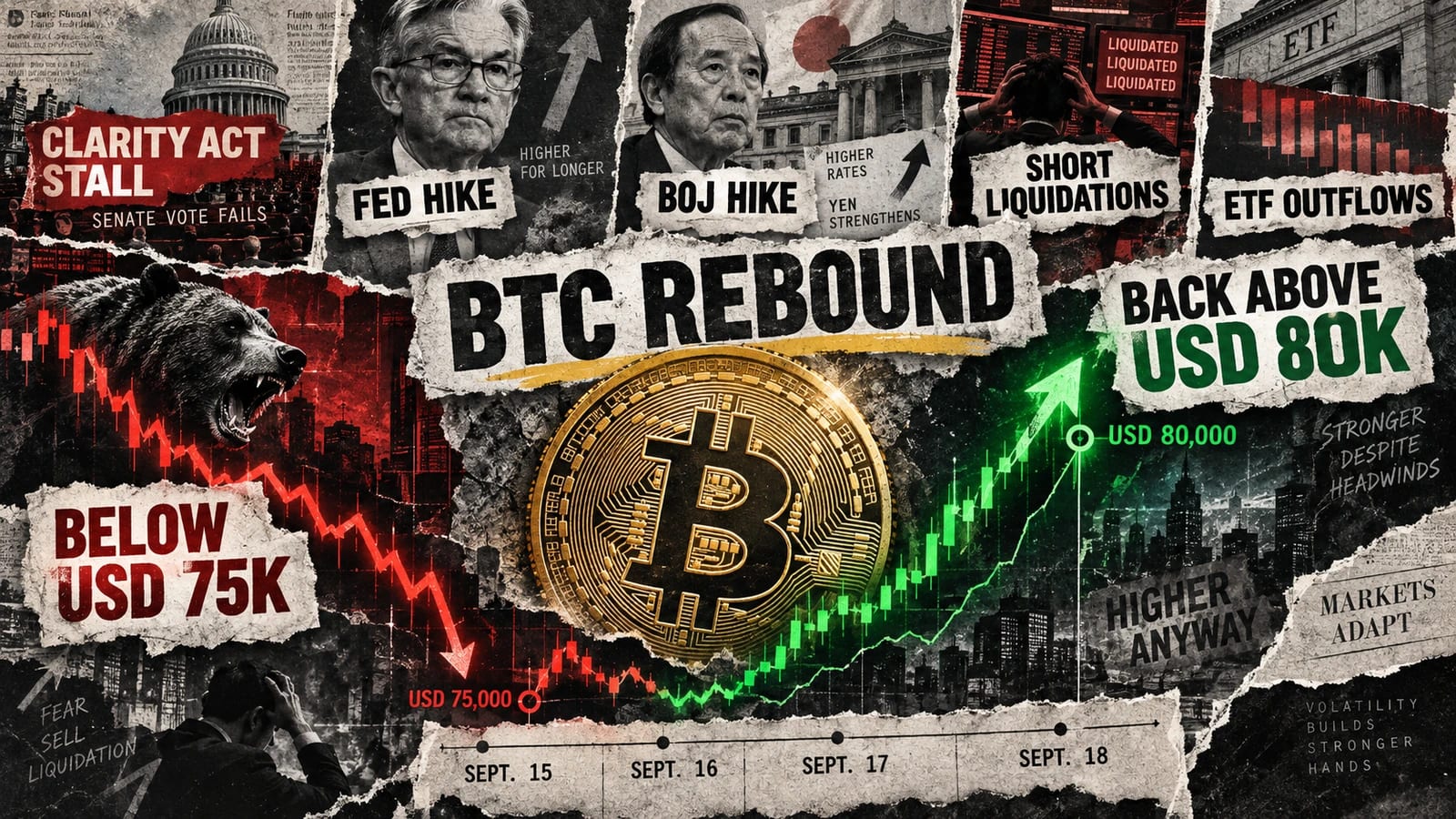
Bitcoin Rebounds Above $80K After Falling Below $75K: What Drove the Move?
Bitcoin recovered from below USD 75,000 to above USD 80,000 after a week of major policy and market shocks. The rebound reflected already-priced-in macro news, short liquidations, volatile ETF flows and reduced immediate fears of a yen carry-trade unwind.
Fresh Reporting
Browse All Stories →Latest from The Ledger
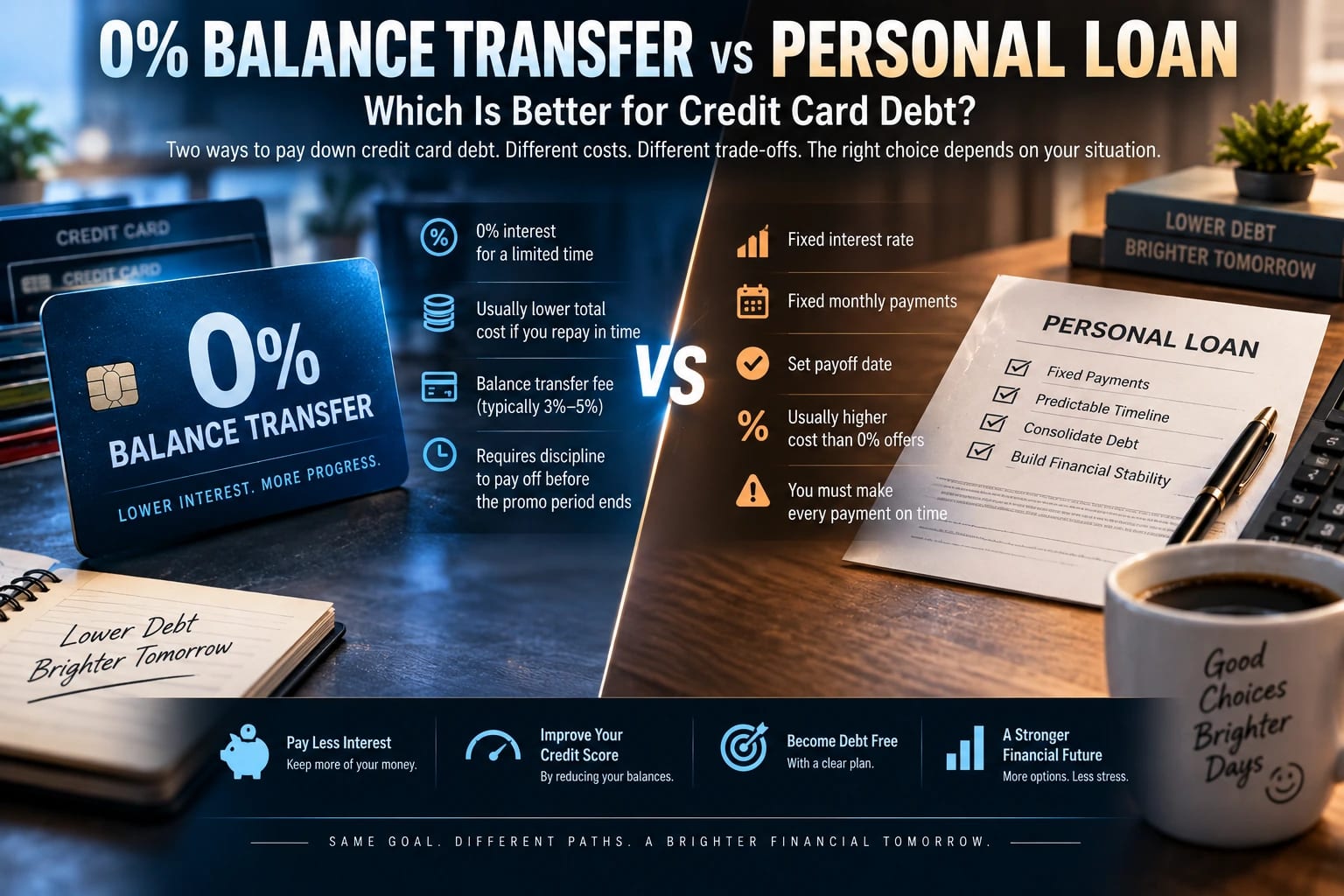
0% Balance Transfer vs Personal Loan: Which Is Better for Credit Card Debt?
A 0% balance transfer may save more if you can repay the debt during the promotional period. A personal loan offers fixed payments and more time. Compare the real costs before choosing.


Leave a Comment
Your email address will not be published. Required fields are marked *