••
Jackson Hole Speech Sparks Market Shift: Rate Hike Odds Rise
Fed Chair Kevin Warsh's Jackson Hole speech on August 28, 2026, shifted rate hike odds dramatically. Here's the market's reaction and implications.
Share Article:
Editorial Illustration · MoneyAllotment
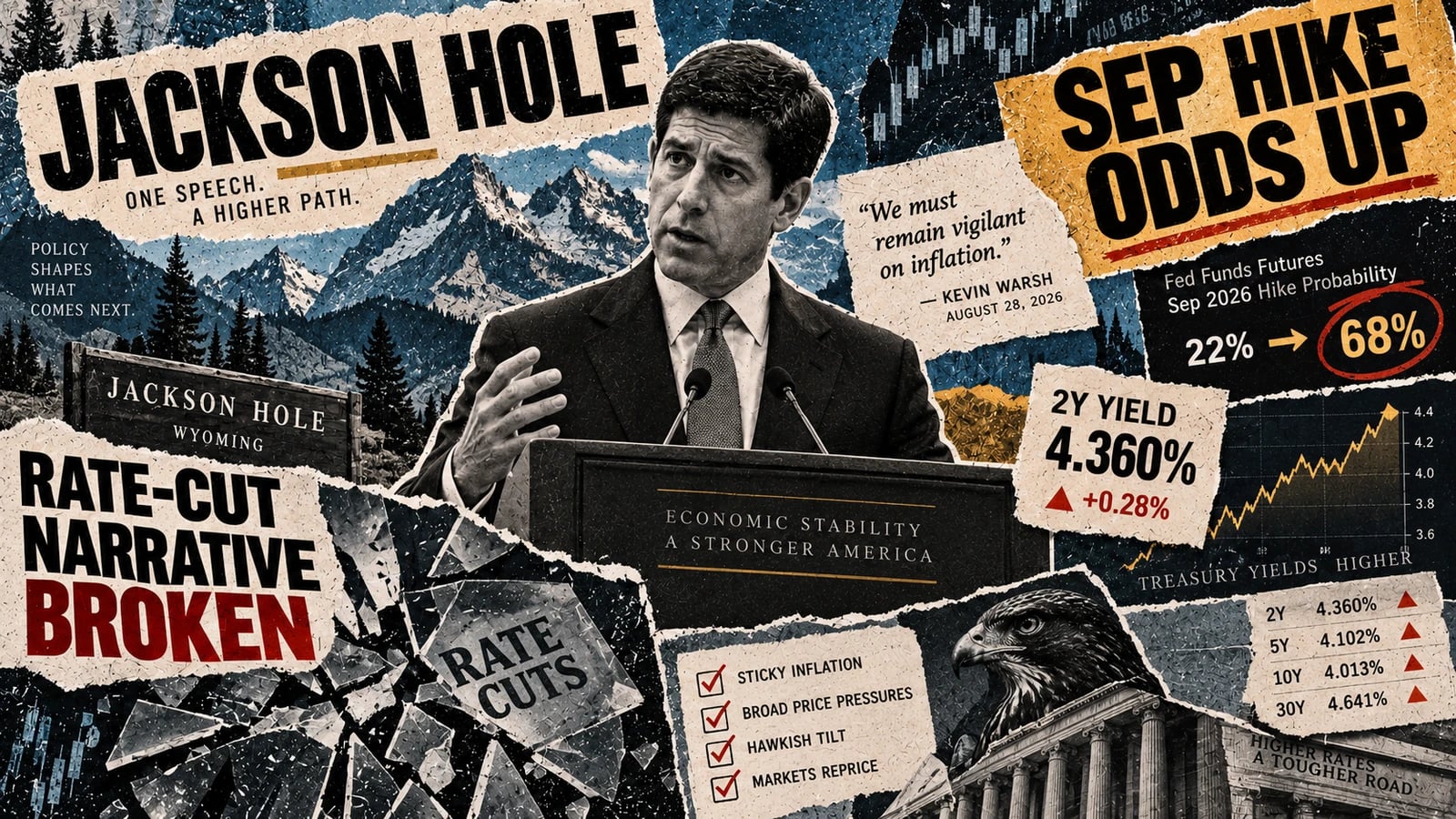
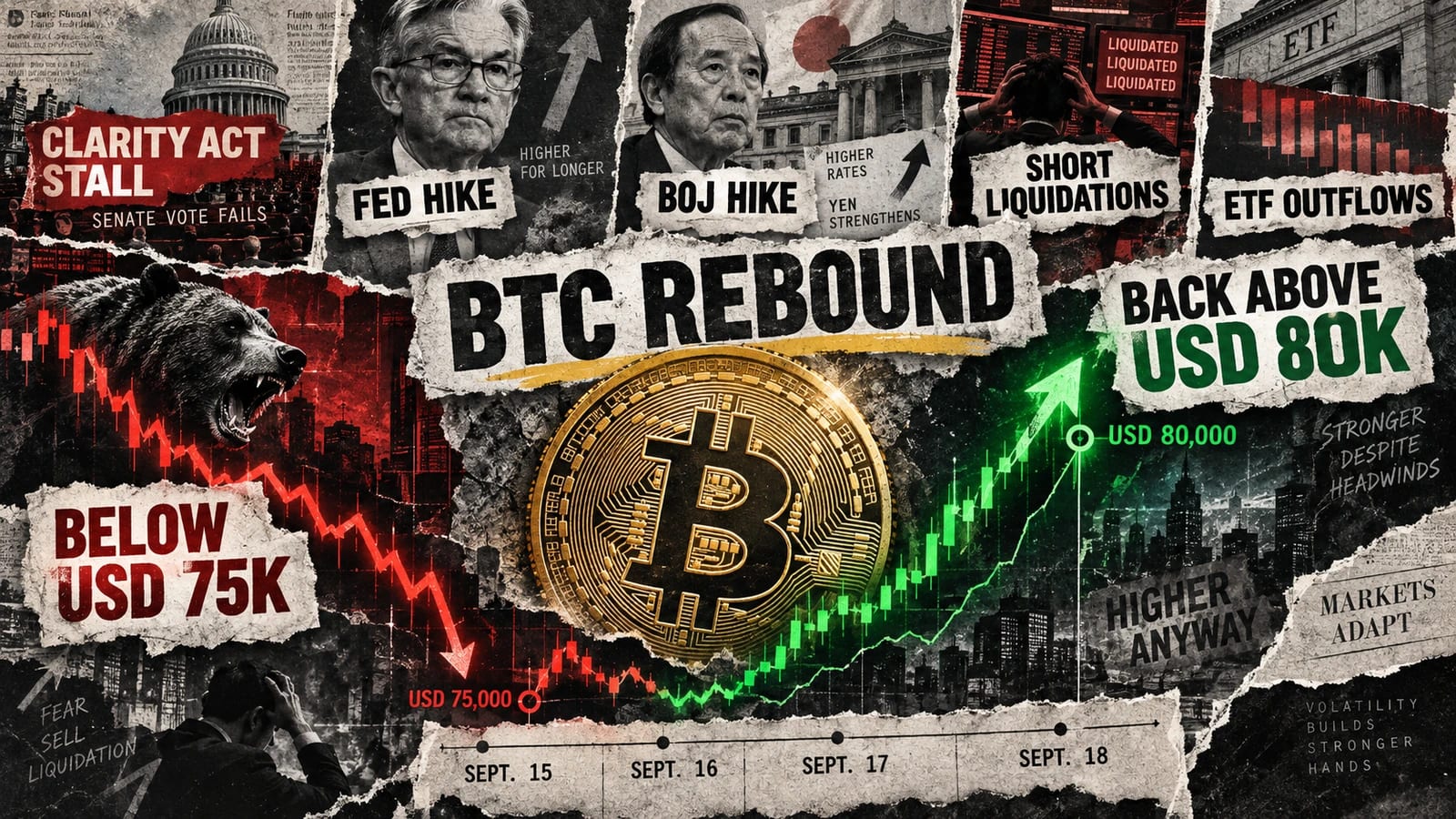
Fed Chair Kevin Warsh used his debut Jackson Hole address on August 28, 2026, to dismantle the market's rate-cut narrative. September hike odds jumped from roughly 35% to over 57% within hours. The 2-year Treasury yield soared 12.8 basis points to settle at 4.360%. Barclays reversed its forecast entirely. Here's how one speech rewired the rate outlook.
The Speech That Broke the Narrative
Warsh stepped to the podium in Jackson Hole, Wyoming, about three months into his tenure as Fed chair. He had been deliberately quiet since taking the role on May 22, 2026, avoiding the forward guidance that defined his predecessor's communication style. Markets had filled the void with their own assumptions.
Those assumptions were wrong.
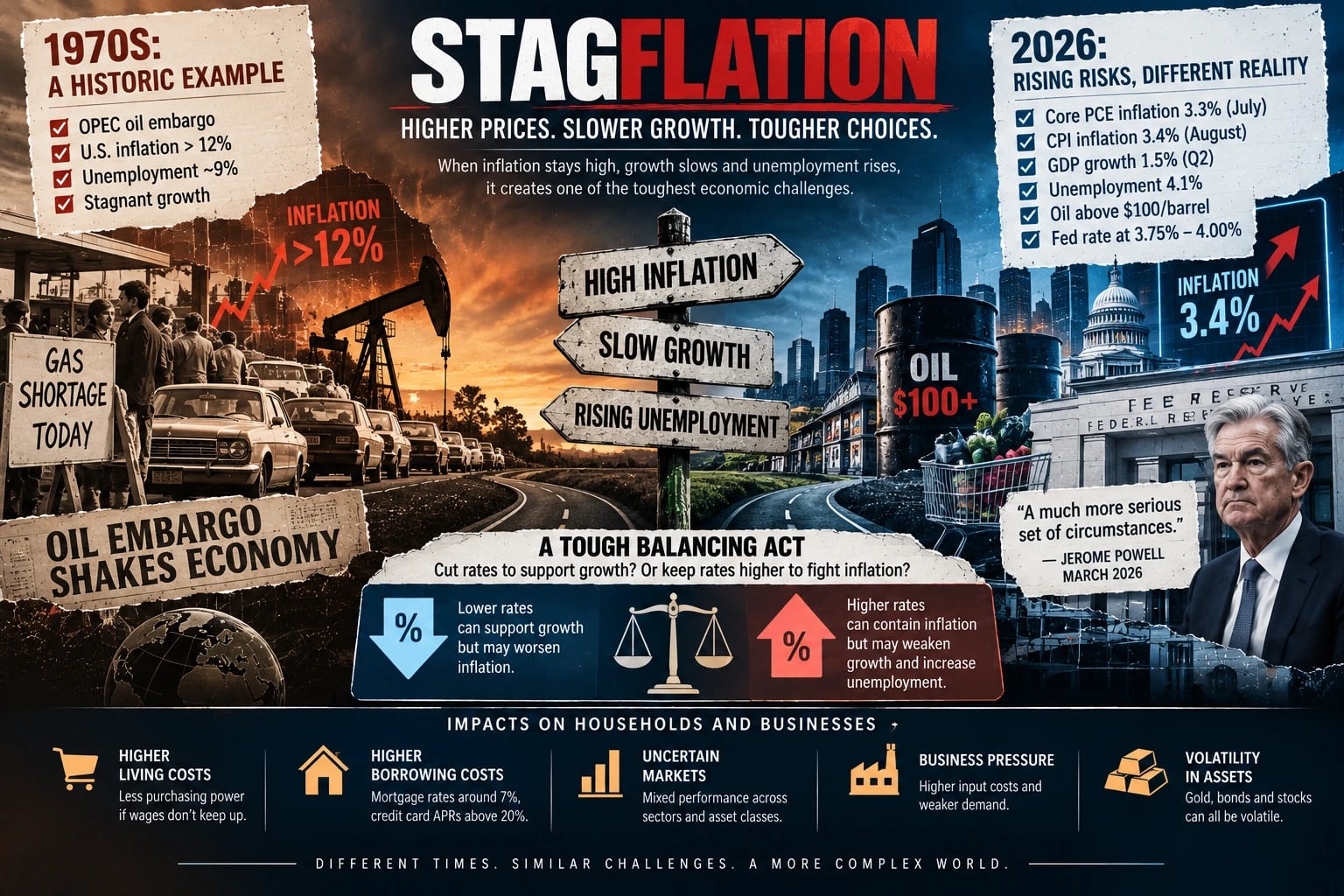
The July PCE reading had come in at 3.3%, above the Fed's 2% target but softer than earlier prints. Core CPI had continued its gradual descent. Housing inflation showed signs of moderating. Over the first two weeks of August, September hike odds had drifted down toward 30%. Investors had settled into a comfortable narrative: the Fed was done tightening, and rate cuts were a matter of timing.
Warsh used his keynote to reject that framing. "While this summer's PCE and CPI readings were better than expected, they do not tell me that underlying trends have meaningfully improved," he said. The standard he set was explicit: the Fed must be confident underlying inflation is moving to its 2% objective "clearly and at sufficient speed." Otherwise, "we have work to do."
He also delivered a broader critique of the Fed's communication framework. Excessive forward guidance, he argued, can mislead markets rather than anchor them. When the central bank over-signals, traders position around those signals instead of economic fundamentals. That, he said, creates fragility when reality diverges from the script. "I stand here today committed to a discipline, not to a decision."
The Immediate Market Repricing
Bond traders moved within minutes. The policy-sensitive 2-year Treasury yield soared 12.8 basis points to settle at 4.360%, its biggest one-day move since June 17. The 10-year rose 5.8 basis points to close at 4.730%. The 30-year added 2.2 basis points to 5.213%. The yield curve flattened as front-end yields rose faster than long-end yields.
Fed funds futures repriced just as fast. In the day before Warsh's speech, September hike odds stood at roughly 35.4% on the CME FedWatch tool. Within hours of his remarks, they jumped past 57%. By August 31, they had reached 60.4%. The repricing represented a roughly 25-point swing in implied probability in a single trading session.
Equities wobbled. The S&P 500 had been up about 0.5% in morning trading. By early afternoon, it had slipped 0.13%. The Nasdaq Composite fell 0.30%. Nvidia gave back 4% of the previous day's post-earnings surge, dragging the semiconductor sector down 3.3%. Rate cuts were off the table for 2026. Hikes were back in the conversation.
What Analysts Did Next
Barclays had previously expected the Fed to hold rates steady through year-end. Warsh's speech changed that. The bank's economists described the address as "notably hawkish" and reversed their forecast, calling for quarter-point hikes in both September and December.
"Warsh told the symposium that policymakers would 'have work to do' if they lacked confidence that inflation was returning to the Fed's 2% target," Barclays noted. The bank also warned that near-term monthly inflation prints would likely look cooler than the longer-horizon measures Warsh emphasized, but base effects would undercut any apparent improvement before December.
ING adjusted its September forecast to a 25 basis point hike and reframed the entire policy reaction function. Previously, the market assumed the Fed would hold unless data forced a hike. After Jackson Hole, ING argued, the logic reversed: the Fed is now more likely to hike unless data provides sufficient justification to pause.
JPMorgan's asset management arm described the move as a "sharp global rates sell-off" triggered by Warsh's remarks. Japan's 10-year yield touched 3% for the first time since 1996, and German and UK 10-year yields reached 15-year peaks. Higher global yields eroded the appeal of emerging-market debt, encouraging foreign outflows.
State Street's September cash review put it bluntly: "Markets may not have received forward guidance, but they did receive a trail map, and that map is directing us to a hike." September hike probabilities surged from roughly 35% to more than 60%, and markets began pricing the possibility of the target rate being above 4% by 2027.
The Inflation Breadth Argument
Warsh's speech went beyond the headline numbers. In his prepared remarks, he said: "I find it instructive to disaggregate the 199 individual components of the PCE price measure. Over the past 12 months, 54 percent of goods and services in the PCE basket showed price increases above 3 percent." That compares with a pre-pandemic average of 32% over the two decades before 2020, and a post-pandemic peak near 77%.
That breadth metric matters because it isolates whether inflation is concentrated in a few volatile categories or embedded throughout the economy. A single inflation measure can be distorted by falling gasoline prices or statistical quirks. Breadth tells a different story. Inflation had improved from its post-pandemic peak, but it remained nowhere near normal.
Warsh also described the economy as operating at or near full employment, with few signs that financial conditions were restrictive. He noted stress in housing and agriculture but pointed to AI-driven capital investment as a source of long-run growth. The implication was clear: with the economy resilient and employment stable, the Fed has room to keep its focus squarely on price stability.
The Communication Shift That Outlasts the Speech
Warsh's decision to pull back from forward guidance may prove more consequential than any single rate signal. The Fed spent the post-2008 era building elaborate communication frameworks on the premise that transparency improves how policy reaches markets. Warsh has signaled that framework is being dismantled.
Instead of telegraphed rate paths, he described a monitoring dashboard spanning credit spreads, lending conditions, Treasury market liquidity, the dollar, commodity prices, and corporate capital spending. That dashboard, he said, led him to conclude that overall financial conditions remain non-restrictive.
Truist Wealth analysts noted that the equity bull market remains intact but Wall Street is transitioning from earnings-driven momentum toward macroeconomic drivers. "After the earnings season skewed heavily to the positive side, we expect more of a tug-of-war in the near term as the market shifts its attention back to macro factors," said Keith Lerner, the firm's chief investment officer.
The hawkish tone extended beyond Warsh. Cleveland Fed President Beth Hammack, who had dissented in favor of a hike at the July FOMC meeting, spoke earlier in the symposium and called for higher rates. She noted that inflation had run above target for more than five years and that financial conditions showed no signs of restriction.
What Comes Next
The August PCE print, due before the September 16 FOMC meeting, will either reinforce Warsh's skepticism or give doves an argument to make. August nonfarm payrolls had already come in at 162,000, with the unemployment rate holding at 4.1%. Headline CPI rose 0.4% month-over-month and 3.4% year-over-year. Core CPI rose 0.3% month-over-month.
The CNBC Fed Survey, released September 15, showed a stark shift in sentiment. A majority of respondents now forecast at least two hikes over the next year, up from just 46% expecting a hike a month earlier. Roughly three-quarters see the inflation problem as broader than energy prices. Average CPI forecasts rose to near 3.5% for 2026 and 2.85% for 2027.
The question is whether the Fed can slow inflation without derailing growth. GDP is still seen at around 2.25% this year and next. Recession probability estimates remain modest at 29% over the next 12 months. The S&P 500 is forecast to maintain its current level through year-end and rise 8% to 8,274 next year.
Whether those forecasts are compatible is an open question. The Fed typically has to slow the economy to bring inflation down, meaning growth would need to dip below potential. Warsh's framework suggests he is willing to accept that trade-off. The market is still adjusting to what that means.
Disclaimer: This article is for informational and educational purposes only and is not personalized financial, investment, or legal advice. Consult a licensed professional for advice specific to your situation.
Frequently Asked Questions
What did Fed Chair Kevin Warsh say in his Jackson Hole speech?
In his Jackson Hole speech on August 28, 2026, Fed Chair Kevin Warsh rejected the prevailing narrative of rate cuts, emphasizing that underlying inflation trends had not improved sufficiently to meet the Fed's 2% target.
How did the market react to Warsh's Jackson Hole address?
Following Warsh's speech, September rate hike odds surged from 35% to over 57%, and the 2-year Treasury yield increased by 12.8 basis points, reflecting a significant shift in market expectations.
What economic indicators influenced Warsh's speech?
Warsh's speech was influenced by the July PCE reading of 3.3% and ongoing trends in core CPI and housing inflation, which, while improving, did not indicate a clear path to the Fed's 2% inflation target.
From the Desk
All Markets →More in Markets
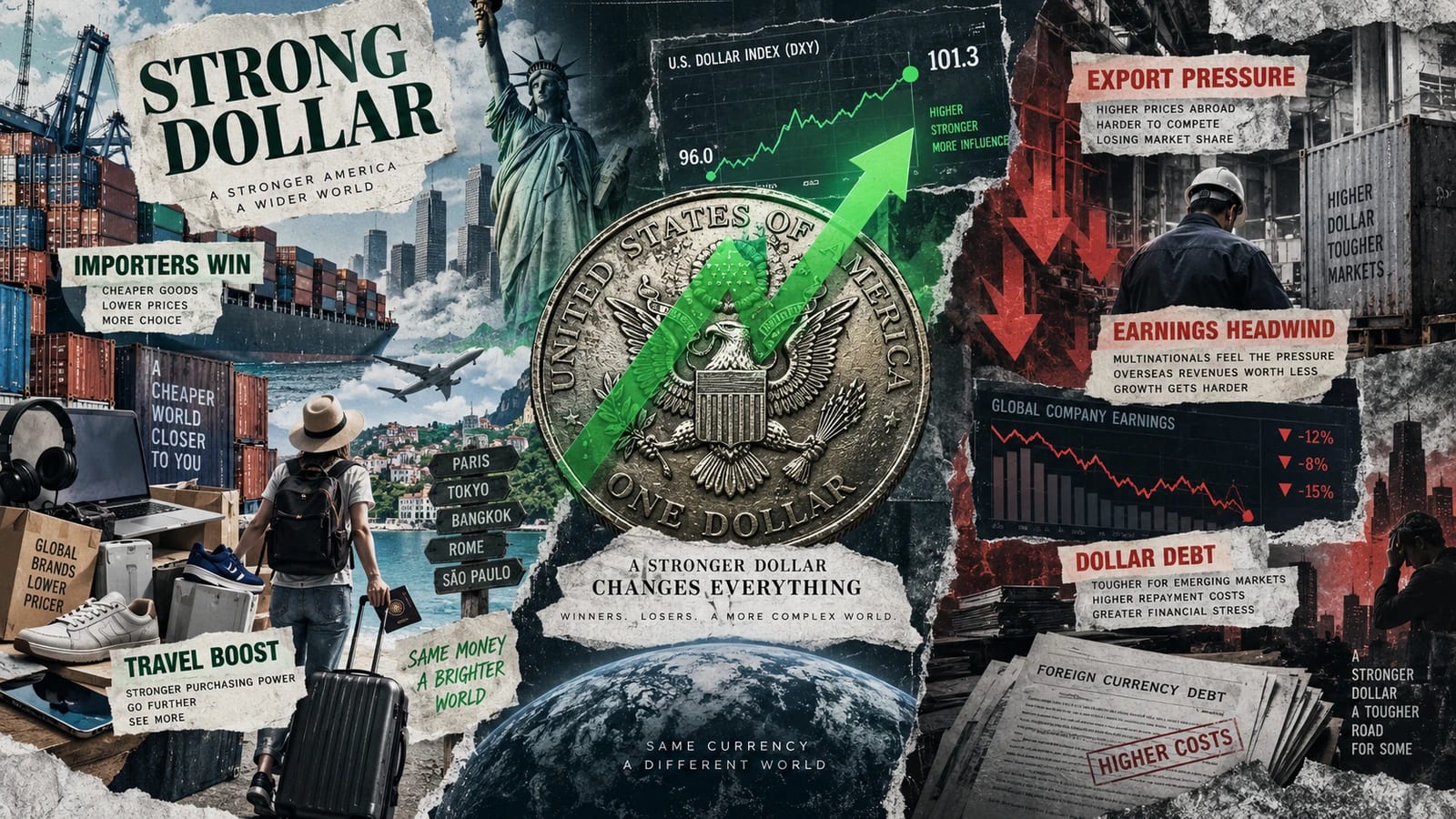
Strong Dollar Explained: Who Wins and Who Loses When the US Dollar Rises?
A stronger U.S. dollar can lower import costs and make overseas travel cheaper, while creating pressure for exporters, multinational companies and borrowers with dollar debt. This guide explains why the dollar rises and who benefits or loses.
Fresh Reporting
Browse All Stories →Latest from The Ledger
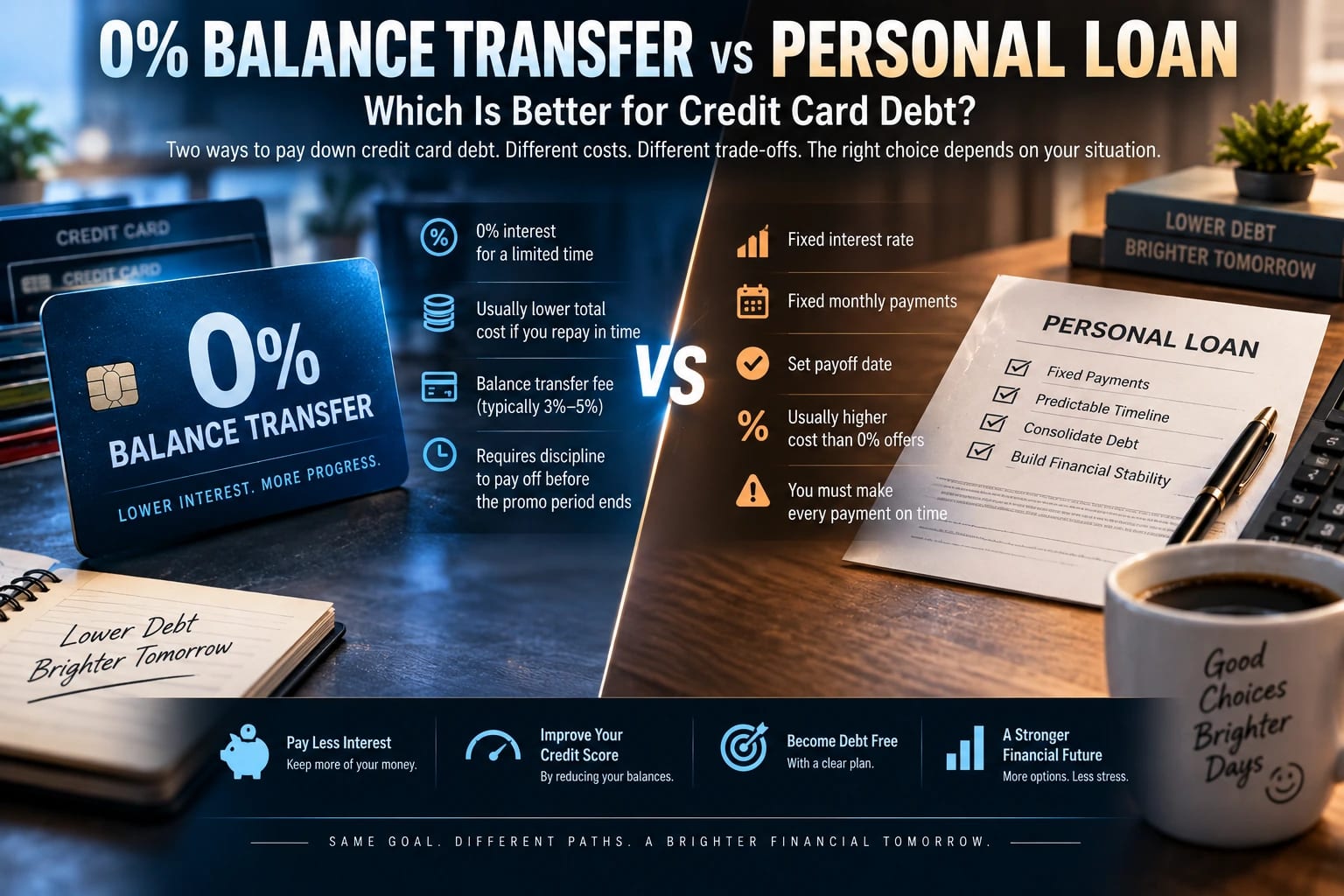
0% Balance Transfer vs Personal Loan: Which Is Better for Credit Card Debt?
A 0% balance transfer may save more if you can repay the debt during the promotional period. A personal loan offers fixed payments and more time. Compare the real costs before choosing.


Leave a Comment
Your email address will not be published. Required fields are marked *