••
Federal Reserve Holds Rates Steady: Implications for Borrowers
The Fed held rates at 3.50%–3.75% for a fifth straight meeting in July 2026, but three dissents and a rising probability of a September hike signal the pause may be ending. Here's what it means for mortgages, credit cards, savings, and portfolios.
Share Article:
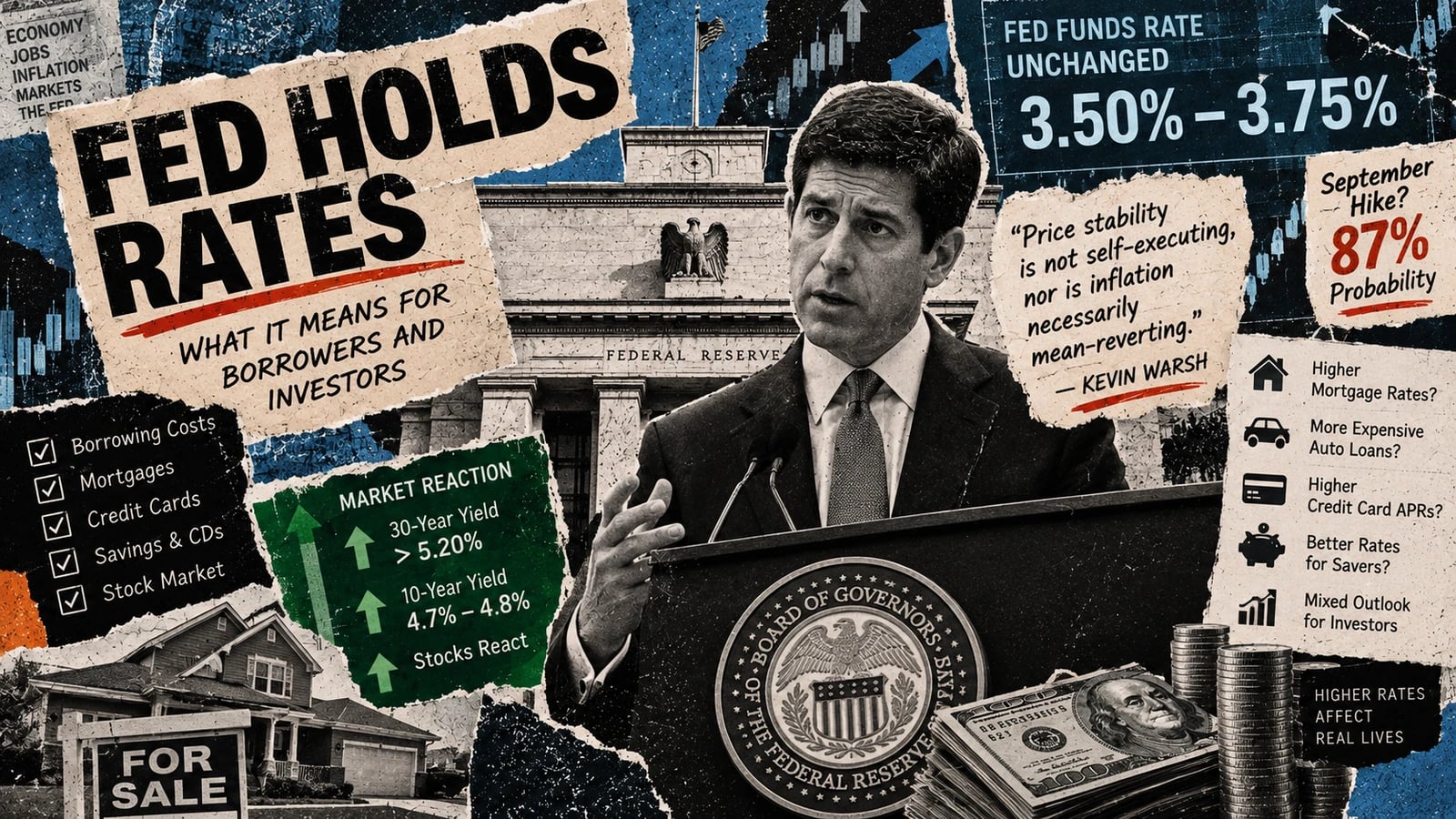
The Federal Reserve holds rates at 3.50%–3.75% for a fifth consecutive meeting, a decision made on July 29, 2026. Three officials dissented in favor of a hike. Bond markets reacted immediately, and futures now price a September increase at roughly 87%. Here's what it means for your wallet.
The July Decision and the Vote That Mattered
The Federal Open Market Committee voted 9-3 to keep the federal funds rate unchanged. Dallas Fed President Lorie Logan, Cleveland's Beth Hammack, and Minneapolis's Neel Kashkari dissented, each favoring a 25-basis-point increase. It was the kind of split that turns a routine decision into a warning signal for fixed-income investors.
The committee's statement acknowledged that economic activity is expanding at a solid pace despite elevated uncertainty tied to the conflict in the Middle East. Productivity growth and capital investment are strong. Job gains have kept pace with the workforce, and the unemployment rate has changed little. Inflation, however, remains elevated relative to the Fed's 2% goal, partly reflecting supply shocks that have driven energy prices higher.
Chair Kevin Warsh, confirmed in May 2026, has committed to the 2% target and signaled a tighter policy stance than his predecessor. At the Jackson Hole symposium on August 28, he said: "Price stability is not self-executing, nor is inflation necessarily mean-reverting". That framing matters. It shifts the reaction function from "has inflation fallen year-over-year" to "is it falling fast enough."
Why the Bond Market Is Nervous
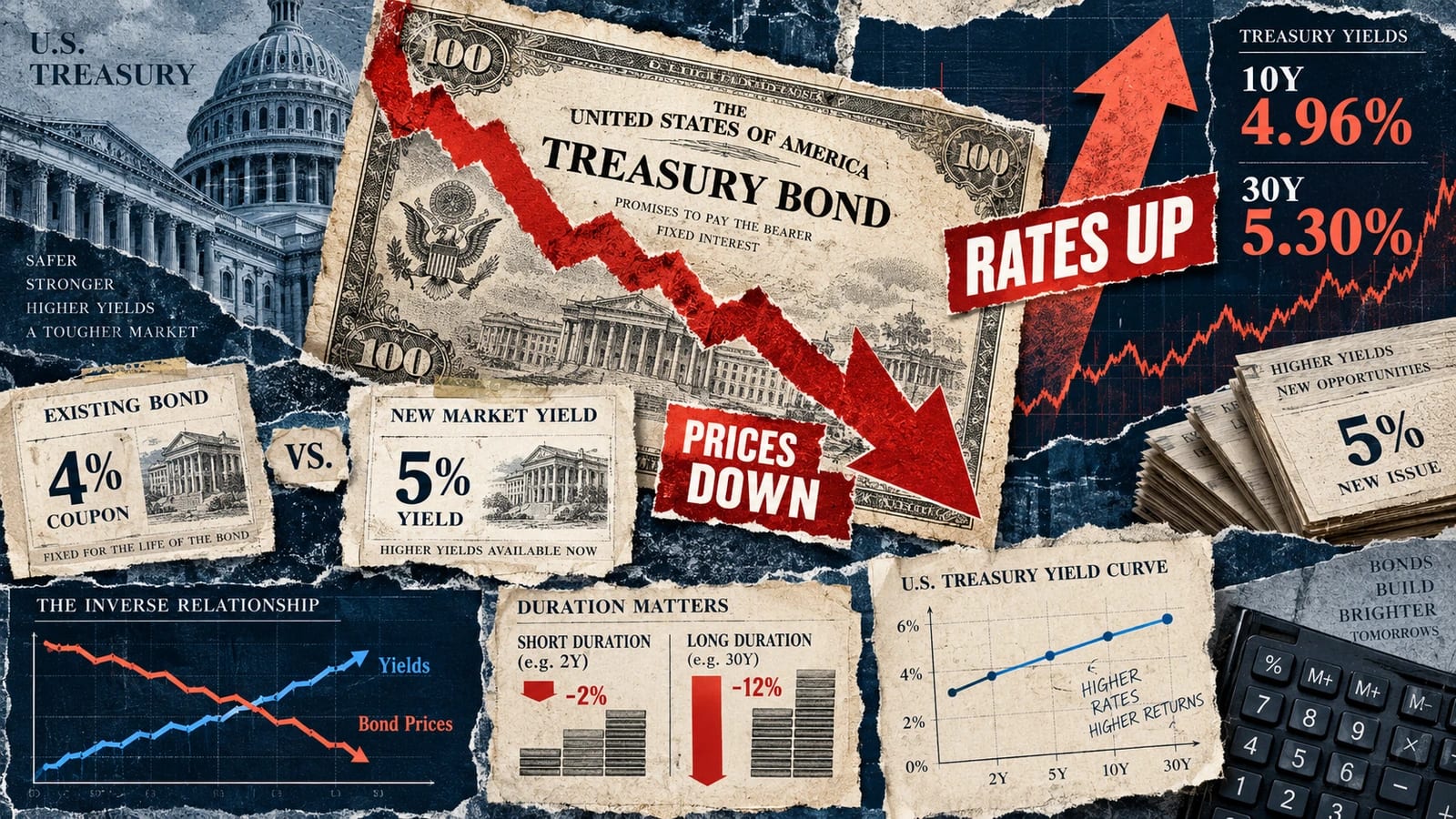
The 30-year Treasury yield climbed above 5.20% after the decision, a threshold not breached since mid-2007. The 10-year pushed into the 4.7%–4.8% range. The term premium, the extra yield investors demand for holding longer-dated bonds, has been expanding. That's what happens when the market questions whether policymakers will do what's necessary to keep prices in check.
The sentiment reversal has been dramatic. Not long ago, traders positioned for rate cuts. In early August, fed funds futures priced a 76% probability of a September hike, which would be the first upward move since July 2023. That probability climbed further as the meeting approached.
The credibility question is central. When the market loses faith in the Fed's inflation-fighting resolve, borrowing costs rise across the board, regardless of what the policy rate says. With fiscal deficits requiring massive Treasury issuance, any increase in the term premium translates into billions of dollars in additional interest costs. More borrowing at higher rates means larger deficits, which means even more borrowing.
What the September Meeting Could Bring
The September 15–16 FOMC meeting carries enormous weight. As of September 14, markets priced roughly an 87% probability of a quarter-point hike, lifting the target range to 3.75%–4.00%. August CPI data showed headline inflation at 3.4% year-over-year, with core CPI rising 0.3% month-over-month, above the 0.2% consensus. Core services less housing rose 0.5% month-over-month, up 3% year-over-year.
The vote count is tighter than the market pricing suggests. Bianco Research founder Jim Bianco has tracked the tally at six votes for holding versus five for hiking, with former Chair Jerome Powell's position unknown. Powell has not spoken publicly since May and now serves as a Fed governor after his chair term expired. If everyone votes according to public statements, his ballot could decide the outcome.
The Federal Reserve Act has no tie-breaking provision for FOMC votes. In practice, a tie is highly unusual, and the likely outcome would be maintaining the status quo, since no majority agreement was reached.
What It Means for Borrowers
Short-term consumer debt rates are pegged to the prime rate, which typically sits three percentage points above the fed funds rate. Credit card APRs, already above 20%, would rise further on a hike. Mark Zandi, chief economist at Moody's, said rates "likely to record highs" if the Fed moves.
Auto loans would also feel the pinch. A 25-basis-point hike would raise the average APR on a 48-month new car loan by about 12 basis points.
Mortgages are different. The 30-year fixed rate tracks long-term Treasury yields more than the fed funds rate. The 10-year Treasury yield touched 5.01% on September 14, the first time above 5% since October 2023. That already pushes mortgage costs higher regardless of what the Fed does. A hike could add further upward pressure, but the connection is indirect.
Home equity lines of credit, which are tied to the prime rate, would adjust almost immediately after a Fed move.
What It Means for Savers and Investors
Higher rates are not uniformly bad news. Savers with high-yield savings accounts earning near 4% would benefit from further hikes. Traditional savings accounts pay an average of just 0.38%, leaving most depositors earning far less than inflation. CDs offer rates as high as 4.50% right now, and those rates could rise slightly if the Fed hikes.
Long-term bond investors face a harder calculus. The 30-year Treasury yielding above 5.20% offers attractive income, but prices fall when yields rise. Anyone holding long-duration bonds has already absorbed significant paper losses. The term premium expansion means the market is demanding more compensation for the risk that inflation stays elevated.
Equity investors are watching the same signals. A hawkish Fed typically pressures growth stocks and rate-sensitive sectors like real estate and utilities. Financials tend to benefit from higher rates, at least until credit quality deteriorates. The S&P 500 responded to the August CPI report by rising from 7,591 to 7,672, suggesting markets see a hike as manageable rather than destabilizing.
The Fed's Credibility Trade-Off
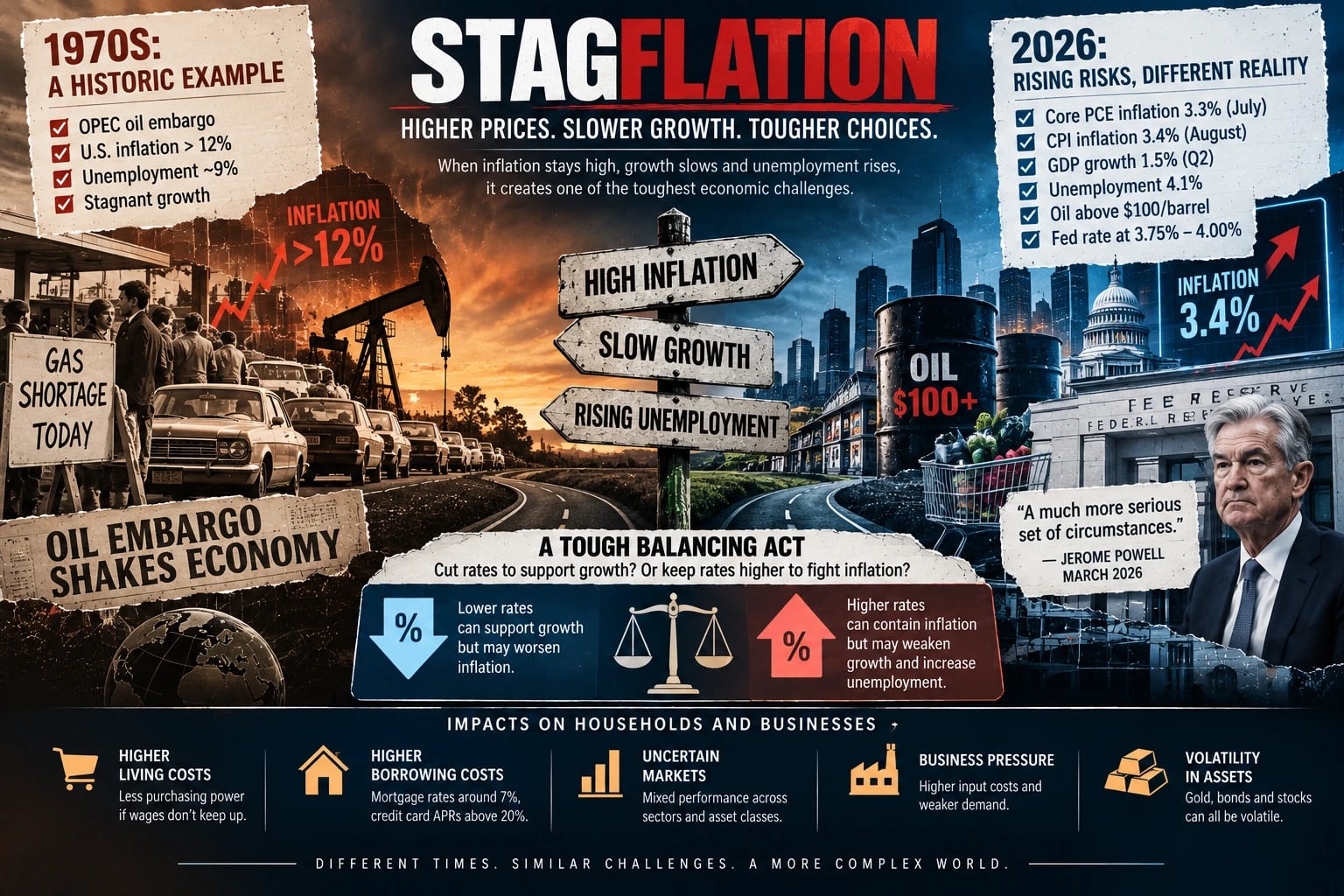
The Fed faces an uncomfortable choice. Holding rates steady with inflation at 3.4% and energy prices above USD 100 per barrel risks looking like denial. The bond market may punish the long end for unanchored inflation expectations. As Reuters reported, many investors warn that if the Fed stands pat, the bigger problem may still be ahead.
Hiking, on the other hand, raises borrowing costs for households already under financial strain and sets up a conflict with President Donald Trump, who has pushed for lower rates. StanChart strategists argued the Fed's correct decision is to hold steady until "tariff and data revision noise subsides," while acknowledging that standing pat carries clear risks.
Allianz chief economic adviser Mohamed El-Erian said the Fed should hold, citing stable inflation expectations, productivity gains from AI, and the risk that tightening could push the housing market to a critical point. He argued Treasury policy now matters more to markets than Fed policy.
The September meeting will settle the immediate question. The vote split, the updated Summary of Economic Projections, and Warsh's press conference will guide the reaction. Traders will look for whether the Fed frames a hike as a one-time adjustment or the start of a sustained tightening cycle.
For borrowers, the practical takeaway is straightforward: variable-rate debt gets more expensive if the Fed moves. For savers, the opposite holds. For investors, the key variable is not the decision itself but whether the Fed signals more to come.
Disclaimer: This article is for informational and educational purposes only and is not personalized financial, investment, or legal advice. Consult a licensed professional for advice specific to your situation.
Frequently Asked Questions
What does it mean that the Federal Reserve holds rates steady?
When the Federal Reserve holds rates steady, it indicates that the benchmark interest rate remains unchanged, which can affect borrowing costs for mortgages and credit cards. This decision reflects the Fed's assessment of economic conditions and inflation.
How could a potential rate hike in September impact borrowers?
A potential rate hike in September could lead to increased borrowing costs for mortgages and credit cards. Borrowers may face higher interest rates, which can affect monthly payments and overall debt management.
What are the implications of the Fed's decision for savings accounts?
The Fed's decision to hold rates steady may result in lower interest rates for savings accounts. If rates rise in the future, savers could benefit from increased returns on their deposits.
What factors influenced the Fed's decision to hold rates?
The Fed's decision was influenced by solid economic activity, job gains, and elevated inflation levels. The ongoing conflict in the Middle East and supply shocks affecting energy prices also played a role in their assessment.
From the Desk
All Markets →More in Markets
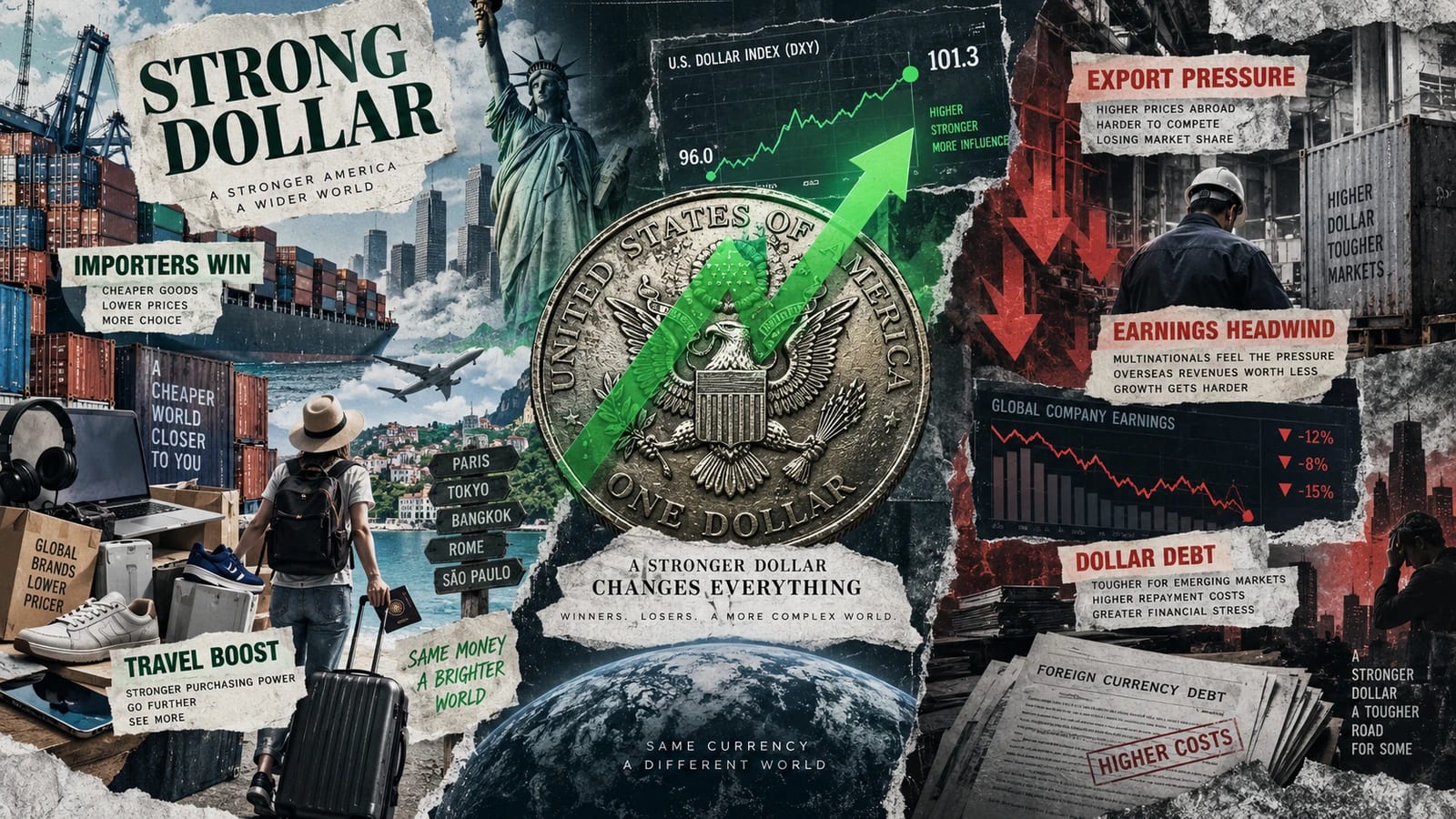
Strong Dollar Explained: Who Wins and Who Loses When the US Dollar Rises?
A stronger U.S. dollar can lower import costs and make overseas travel cheaper, while creating pressure for exporters, multinational companies and borrowers with dollar debt. This guide explains why the dollar rises and who benefits or loses.
Fresh Reporting
Browse All Stories →Latest from The Ledger
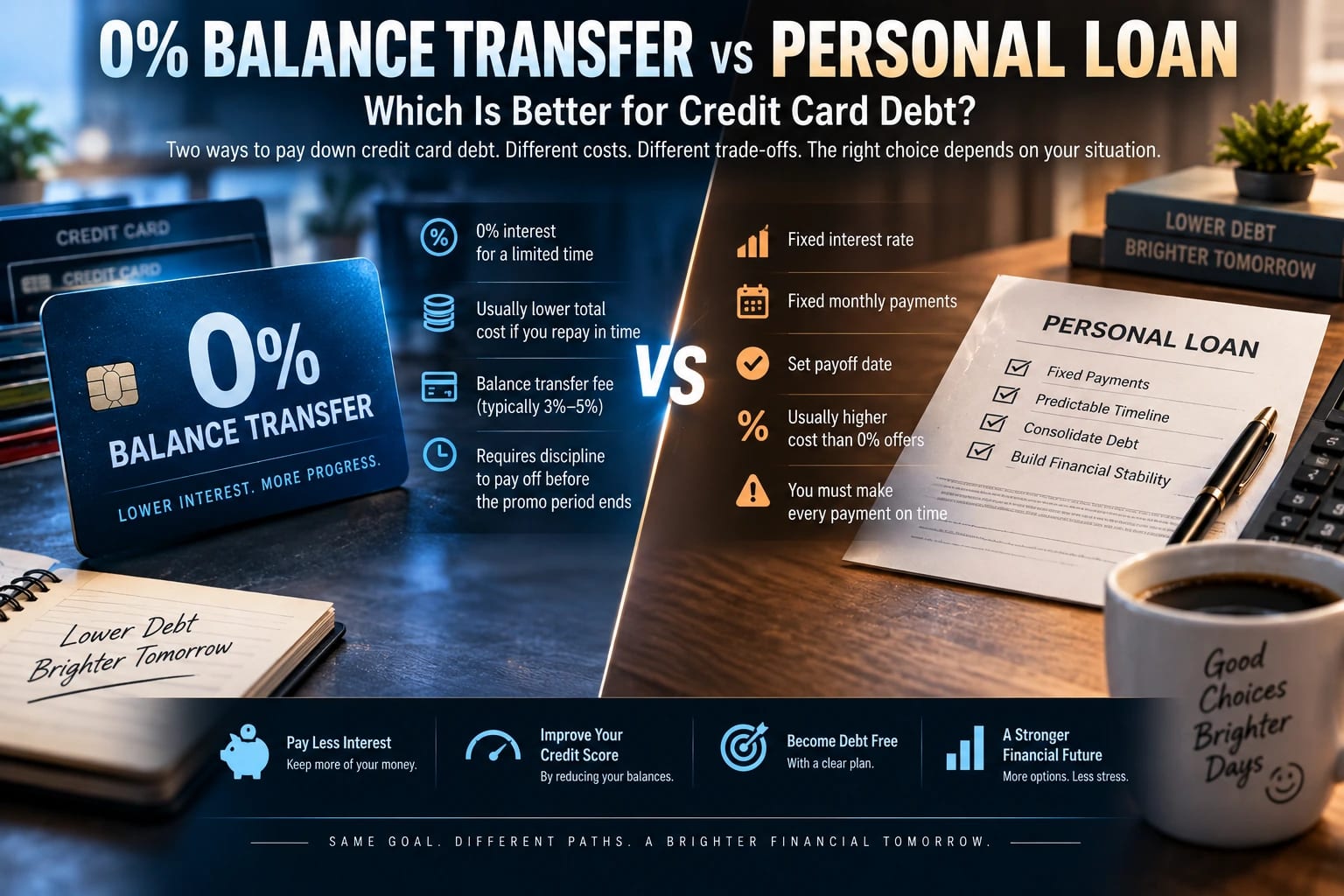
0% Balance Transfer vs Personal Loan: Which Is Better for Credit Card Debt?
A 0% balance transfer may save more if you can repay the debt during the promotional period. A personal loan offers fixed payments and more time. Compare the real costs before choosing.


Leave a Comment
Your email address will not be published. Required fields are marked *