••
Fed's Rate Hike Focuses on Wall Street, Analyst Claims
A recent analyst's statement shifts the narrative of the Federal Reserve's rate hike strategy from inflation control to appeasing Wall Street.
Share Article:
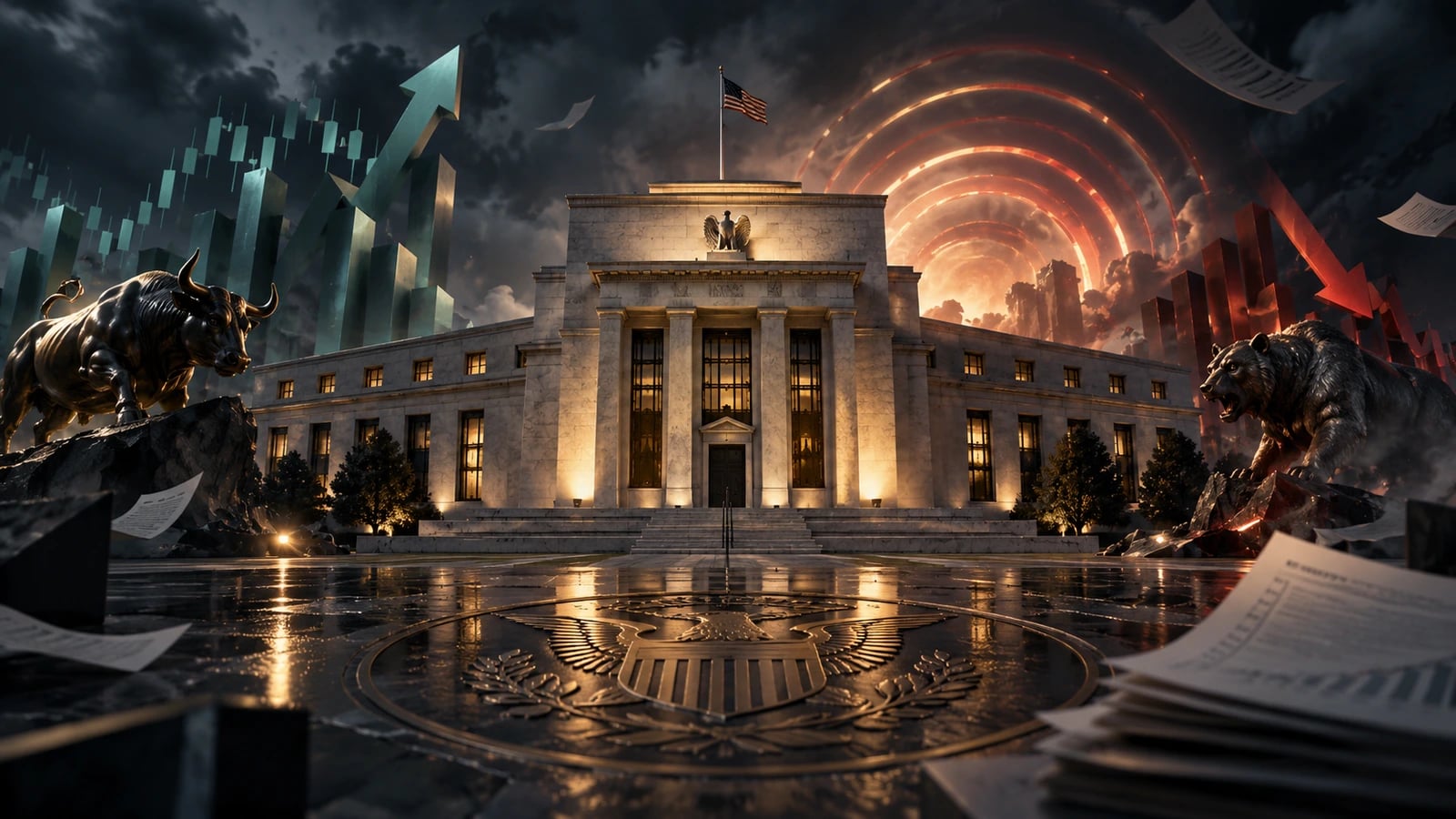
Editorial Illustration · MoneyAllotment
Fed's Rate Hike Focuses on Wall Street, Analyst Claims
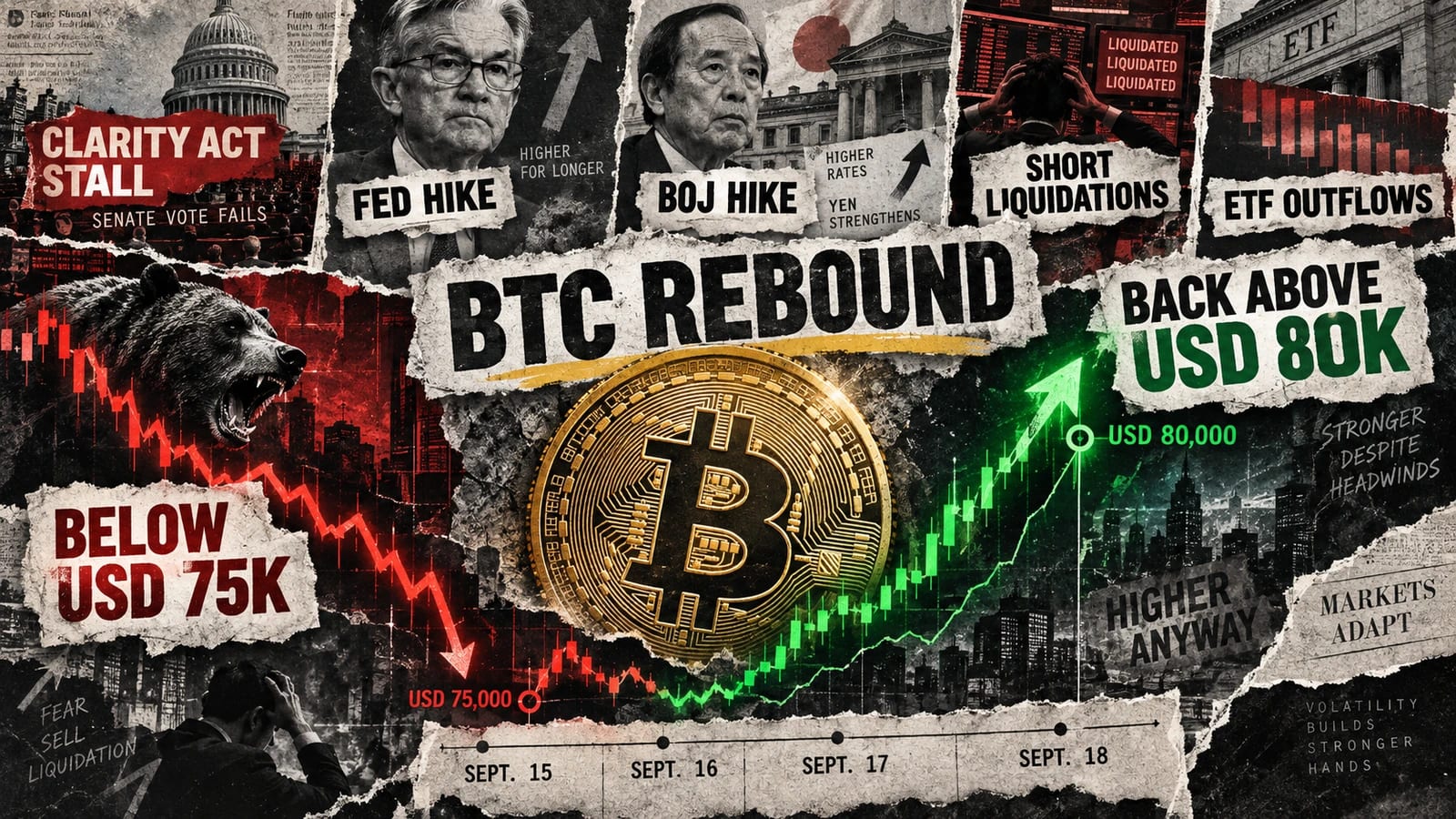
A late-Friday reversal from Goldman Sachs has reopened a sharper question: is next week's expected rate hike really about inflation, or about Wall Street?
Goldman's shift matters because it was one of the last major banks still betting the Fed would hold steady. A Reuters poll completed before the CPI release found that most economists still expected the Fed to hold rates through 2026, though confidence in that call had weakened as more analysts began anticipating an increase. In a note explaining its change of heart, Goldman said August's CPI report only nudged its core PCE forecast up slightly, to 0.26%, and hadn't changed its underlying inflation view. What changed, the bank said, was the market: with futures pricing in a hike at nearly 90%, holding now risked an unwanted market reaction. Interest-rate futures had moved to price an 87% probability right after the CPI release, up from 72% the day before, and the odds of at least one hike by year-end reached 97%. Crypto News
The Backdrop: A New, More Hawkish Fed
Kevin Warsh, who took over as Fed Chair in May 2026, has been notably hawkish since assuming the role. Markets had expected little chance of a rate move before December until Warsh's keynote address at the Fed's Jackson Hole symposium on August 28 changed that calculus almost overnight. Warsh's line that "price stability is not self-executing" read, to many observers, as pointed as much at markets as at policy mechanics. The federal funds rate had held steady at 3.50%-3.75% since December 2025, a stretch in which equities repriced and credit spreads adjusted to the pause. Federal Reserve rate hike is about Wall Street, not inflation, economist argues
Two Very Different Septembers
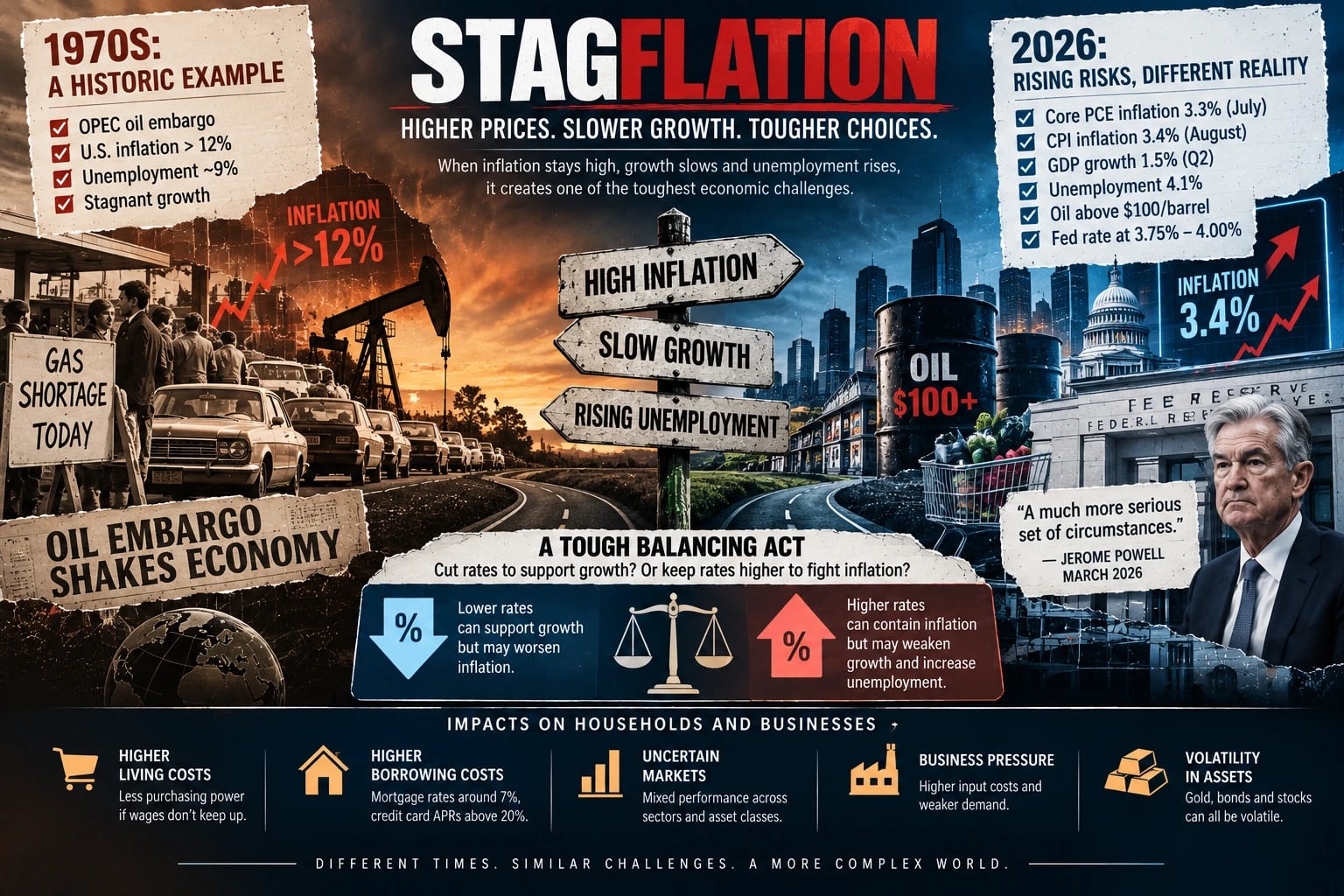
The contrast with two years ago is stark. In September 2024, the Fed cut its benchmark rate by 50 basis points while annual core inflation was still running above 3%. Now markets expect the opposite move, even with core CPI having cooled to a five-year low of 2.4%. Headline CPI rose 0.4% in August and remained at 3.4% year-over-year, while the energy index climbed 16.3% over the same twelve months and food prices rose 2.7%. Wage growth, meanwhile, has slowed to 3.1% year-over-year.
That gap between the 2024 and 2026 decisions is exactly what's fueling Thorne's argument.
"No Material Change in the Inflation Outlook"
Thorne doesn't mince words. "The Wall Street wall of mirrors," he wrote, describing Goldman's about-face. "No material change in inflation outlook, but a hike to calm Wall Street." He argues that raising rates won't fix the actual sources of price pressure: "Rate hikes cannot produce oil, expand refining capacity, or repair disrupted supply routes," he wrote, adding that instead they curb demand, investment, employment, and household purchasing power. He also pointed out there is no demonstrated wage-price spiral, no verified second-round inflation, and no evidence that the energy shock is becoming embedded in broader prices. CoinDesk
His broader point ties back to Fed Chair Kevin Warsh's own rhetoric. Thorne warned that if the Fed hikes purely to validate what futures markets expect, it undercuts Warsh's earlier criticism of exactly that kind of reflexive policymaking — the "wall of mirrors" framing Warsh himself used at Jackson Hole.
Not Everyone Is Convinced
Swonk reads the same data differently. She points out that August's core CPI gain was concentrated in services — "super core" services rose a sharp 0.5% for the month and 3% year-over-year. Based on that, she expects the Fed's preferred gauge, core PCE, to come in even hotter, near a 3.4% annualized pace, well above the CPI figure and further from the Fed's 2% target. CoinDesk
Her conclusion is blunter than Thorne's. "We now expect three rate hikes by early 2027," she wrote, adding that a unanimous vote next week looks more likely now — something she says would help rebuild the Fed's inflation-fighting credibility with bond markets.
What Happens Next
If the Fed hikes as expected, the federal funds target range moves from 3.50%–3.75% up to 3.75%–4.00%. The September 15–16 meeting will carry weight well beyond the 25 basis points themselves — the Fed's updated dot plot and economic projections may matter more for markets trying to map the path forward. A signal that this is a one-and-done move tied to continued disinflation would likely let markets shrug off the hike; projections pointing to further tightening into early 2027 would probably trigger a sharper reaction in long-duration assets. Oil remains a wildcard in the debate, since persistent energy-price inflation complicates any claim that the inflation fight is being won. Crypto Briefing
Beyond the mechanics, the real story is the disagreement itself: two respected economists looking at the same CPI print and reaching opposite conclusions about what the Fed is actually trying to fix. That split is likely to shape how markets interpret the Fed's post-meeting statement, regardless of which side turns out to be right.
From the Desk
All Markets →More in Markets
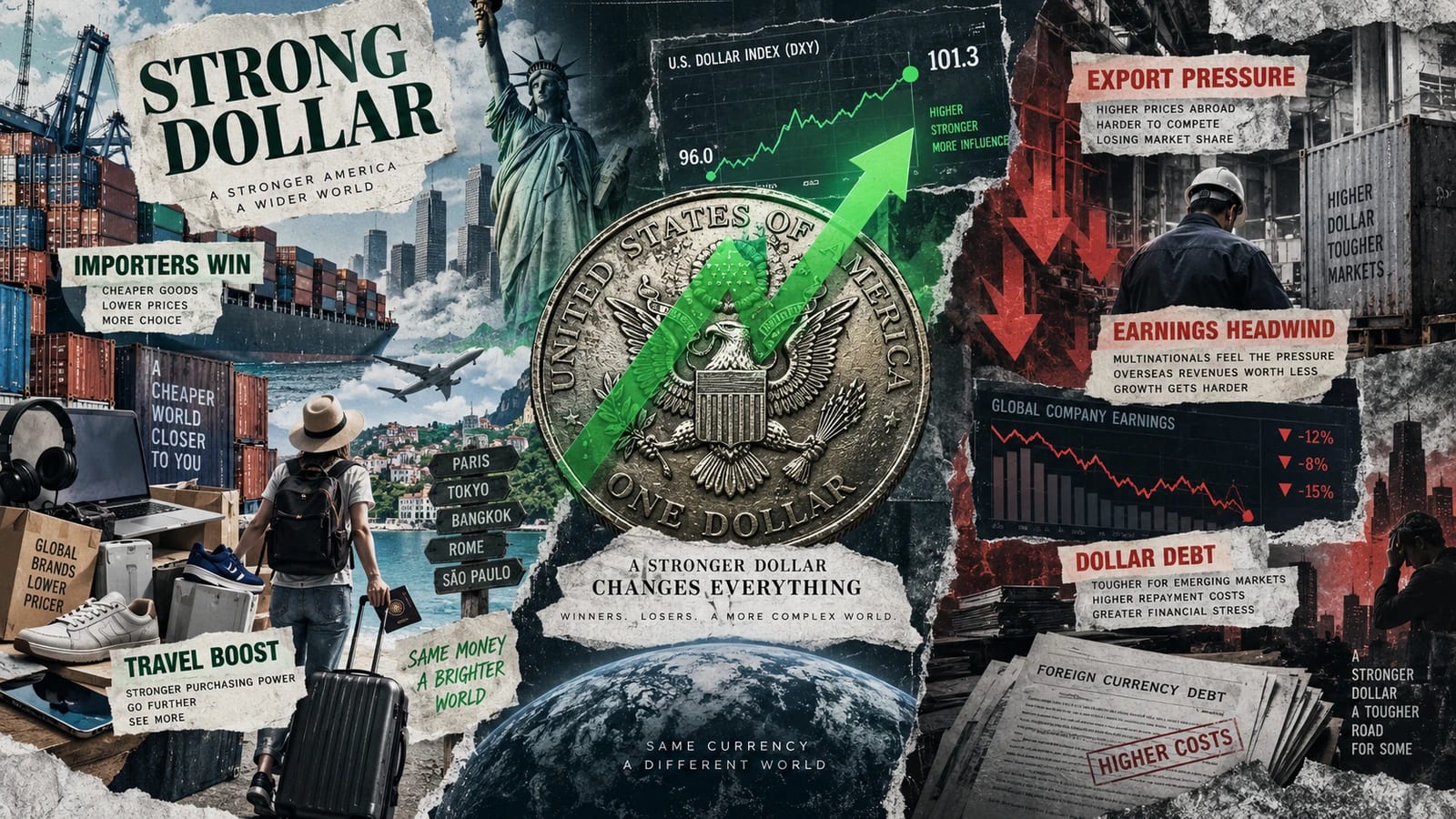
Strong Dollar Explained: Who Wins and Who Loses When the US Dollar Rises?
A stronger U.S. dollar can lower import costs and make overseas travel cheaper, while creating pressure for exporters, multinational companies and borrowers with dollar debt. This guide explains why the dollar rises and who benefits or loses.
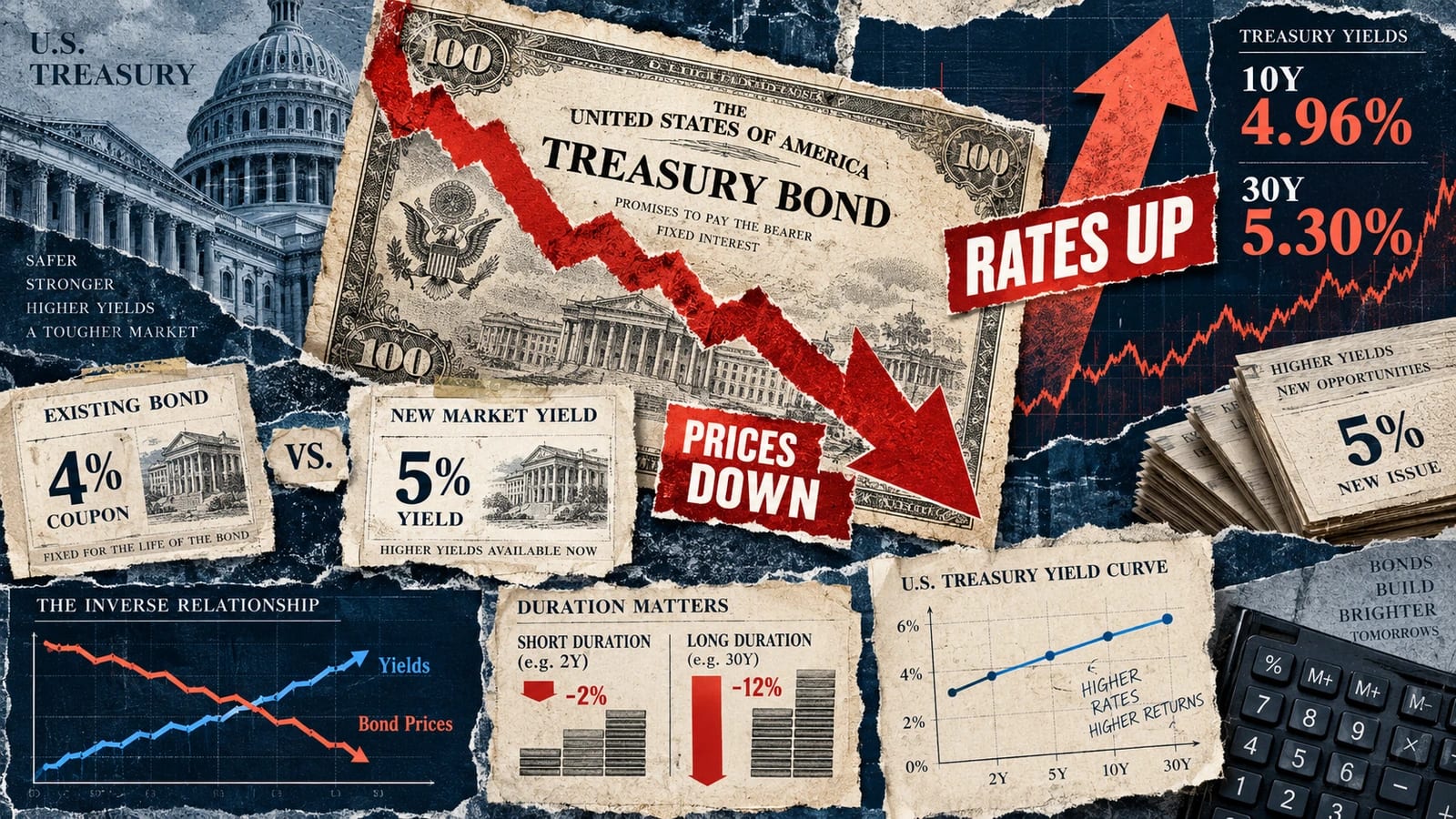
Fresh Reporting
Browse All Stories →Latest from The Ledger
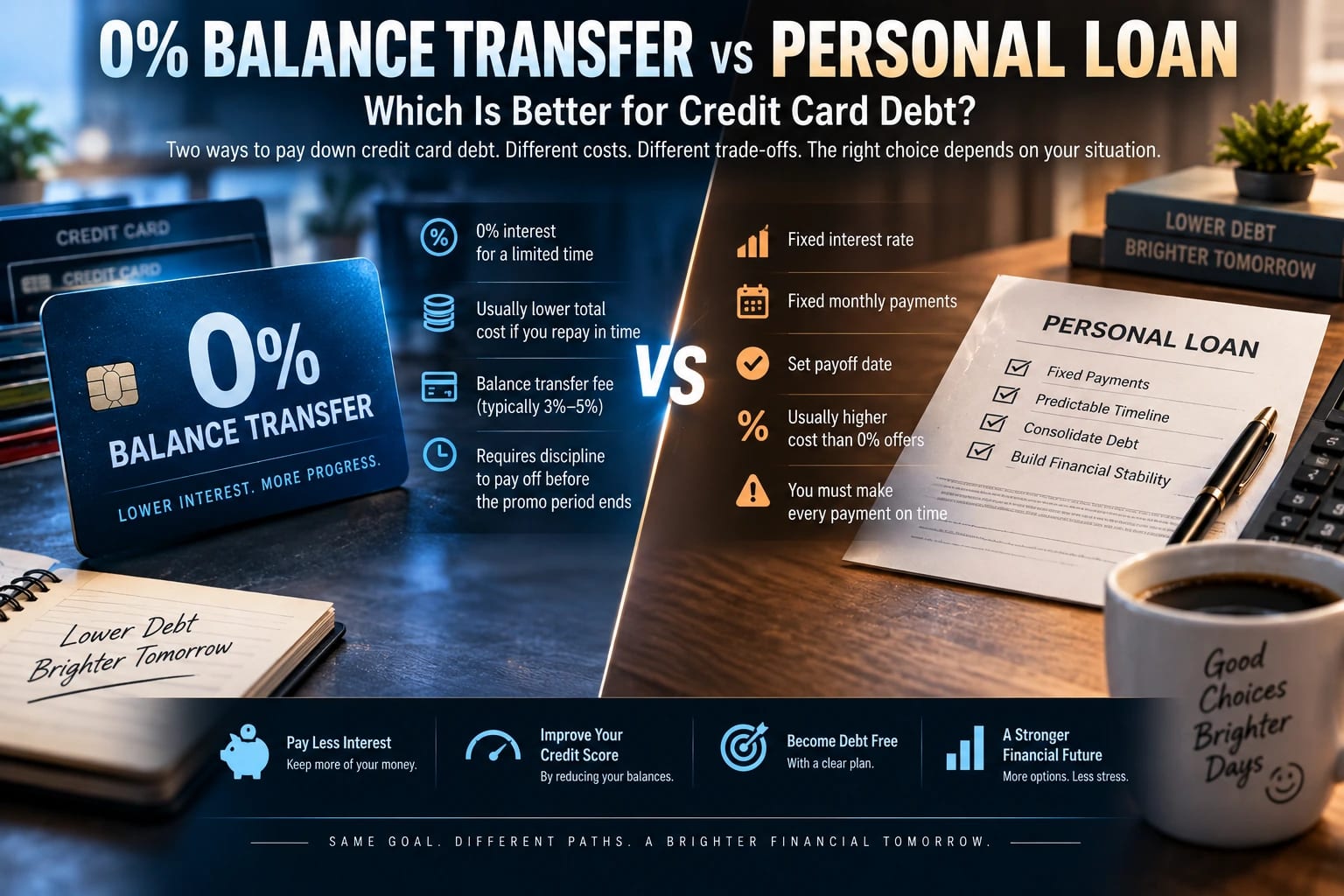
0% Balance Transfer vs Personal Loan: Which Is Better for Credit Card Debt?
A 0% balance transfer may save more if you can repay the debt during the promotional period. A personal loan offers fixed payments and more time. Compare the real costs before choosing.


Leave a Comment
Your email address will not be published. Required fields are marked *