••
IDScan Data Breach 2026: What the 153 Million Record Claim Means for Businesses
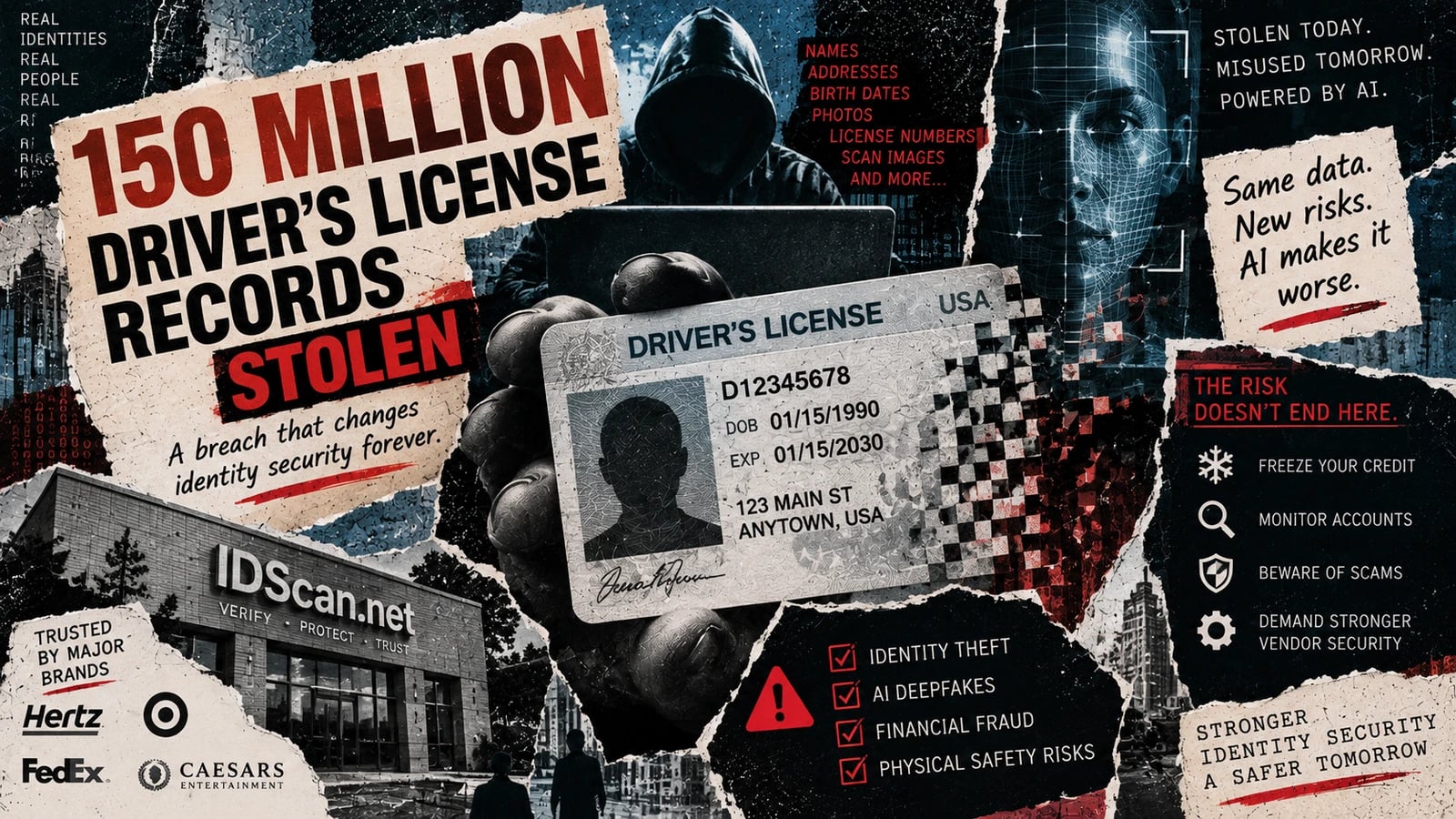
A dark-web service claimed access to more than 153 million driver's license records apparently linked to IDScan.net. IDScan has confirmed unauthorized access, but the final scope has not been publicly verified.
Share Article:
A dark-web service has claimed access to more than 153 million driver's license records apparently linked to IDScan.net, pushing identity verification into a new era of AI-powered risk. IDScan has confirmed unauthorized access to its systems, but the reported 153 million figure should be treated as a claimed total rather than a final independently verified count. For businesses, the question is no longer whether to use third-party identity verification, but how to do so without inheriting catastrophic liability when a vendor fails.
What IDScan.net Actually Lost
On September 1, 2026, cybersecurity journalist Brian Krebs reported that a dark-web service called Nexus was selling scans it claimed represented more than 153 million U.S. and Canadian driver's licenses. The data appeared to come from Louisiana-based identity verification company IDScan.net. Krebs confirmed the authenticity of at least some of the data by finding his own license in the database. The FBI's New Orleans field office opened an investigation the same week.
IDScan provides scanning technology that businesses use to verify IDs at rental counters, retail checkout, hospitality venues, and cannabis dispensaries. Its clients include Hertz, Target, FedEx, and Caesars Entertainment, according to legal filings. The company processes more than 21 million verifications monthly at over 20,000 locations worldwide. Threat actors claimed to have continuously exfiltrated data for more than a year, with available records growing daily. IDScan confirmed unauthorized access to its cloud systems on September 4 and said it was cooperating with federal law enforcement.
The records offered through the dark-web service reportedly include high-resolution front-and-back driver's license scans, including infrared and ultraviolet images used for authentication. Those files contain names, photographs, addresses, birth dates, license numbers, and sometimes medical cards or government-issued Common Access Cards. The scans are timestamped to specific ID presentations at client locations, creating a detailed record of when and where individuals presented their IDs. The full scope and total number of affected records have not been publicly verified by IDScan.
Why AI Makes This Breach Different
Stolen driver's license data has always been dangerous. AI changes the scale and the longevity of that danger.
Generative AI can now produce synthetic identities that pass document-based verification checks with high accuracy. Infrared and ultraviolet scans, which were designed as anti-fraud features, become training data for models that can replicate those authentication layers. Facial recognition systems, which many banks and government agencies use for identity confirmation, can be fooled by deepfakes built from stolen license photos.
The IBM 2026 Cost of a Data Breach report found that 92% of AI-related security incidents involved no access controls, meaning most organizations deploying AI tools had not implemented basic safeguards. The report also found that organizations using security AI extensively saved an average of USD 1.93 million in breach costs compared with those that did not. The gap between AI adoption and AI security readiness is widening.
Security researchers warned that the exposure carries acute risks for domestic violence survivors, federal witness protection participants, and anyone whose physical safety depends on remaining unlocated. When a license photo, address, and date of birth are combined with AI-generated voice or video, the impersonation risk becomes permanent.
The Business Liability Businesses Didn't See Coming
IDScan's clients are not bystanders. Under state consumer privacy laws, businesses that contracted with IDScan to verify customer identities may face direct regulatory enforcement and litigation as data controllers, even though a third-party processor was the failure point.
California's private right of action for data breaches allows consumers to seek statutory damages of USD 107 to USD 799 per consumer per incident when a breach results from a business's failure to maintain reasonable security procedures, according to the California Privacy Protection Agency's CPI-adjusted schedule effective January 1, 2025. The California Attorney General and California Privacy Protection Agency can seek civil penalties up to USD 7,988 per intentional violation, also per the CPPA's adjusted schedule. If claims about the scale of the incident are substantiated, the aggregate exposure could be enormous.
At least four proposed class-action lawsuits have been filed against IDScan in the U.S. District Court for the Eastern District of Louisiana. The plaintiffs, from California, Florida, Georgia, and Louisiana, allege that businesses they patronized used IDScan's technology and failed to protect their information. The legal exposure extends to every company that sent customer identity data through IDScan's systems.
State breach notification statutes covering driver's license numbers exist in essentially every U.S. state. Notification deadlines vary, but most require notice within 30 to 60 days of discovery. Businesses that relied on IDScan and have not yet notified affected individuals may already be out of compliance.
The Concentration Risk Nobody Addressed
The IDScan breach exposed a structural problem in how businesses handle identity verification. Organizations collect more personal data to prevent fraud, but the resulting data stores become attractive targets for attackers. Concentrating millions of identity documents at a single verification vendor creates a single point of failure with catastrophic blast radius.
IDScan retained full-resolution ID scans long after verification was complete. The company's own product choices, not just its security posture, created the honeypot. Businesses that assumed their vendor was handling retention and minimization responsibly now face the consequences of that assumption.
Tim Rawlins, a director at security firm NCC Group, noted the conflict directly: organizations collect more personal data to prevent fraud, but the resulting data stores can enable further fraud if they are compromised. The policy question is how to provide strong identity assurance while retaining fewer reusable documents in centralized systems.
What Businesses Should Do Now
The first step is an inventory of where driver's license images are collected, retained, shared, or accepted. NCC Group recommends applying enhanced checks to high-risk onboarding and account recovery processes, briefing customer-facing employees on impersonation techniques, and avoiding requests for additional identity documents unless strictly necessary.
Contracts with identity providers should establish requirements for logging, data segregation, retention, incident notification, access to evidence, and independent assurance. Organizations should monitor for abnormal bulk access and potential data exfiltration, including unusual activity involving service accounts, APIs, and administrative accounts.
For consumers, IDScan is offering free credit monitoring and identity protection. Affected individuals should freeze their credit with all three major bureaus, monitor accounts for suspicious activity, and be skeptical of unsolicited communications claiming to be related to the breach. Credit freezes are free and do not affect credit scores.
The deeper lesson is that document-based identity verification has reached its limit. A genuine-looking document cannot remain sufficient proof of identity indefinitely. AI-powered fraud tools are improving faster than document authentication methods. Cryptographic digital identity systems, which let individuals prove only what a service needs to know while keeping underlying information under their control, are the direction regulators and security researchers increasingly favor.
For businesses, the practical takeaway is uncomfortable. Using a third-party verification vendor does not transfer liability. It transfers the data, and with it, the risk.
Frequently Asked Questions
What was exposed in the AI data breach 2026?
A dark-web service claimed access to more than 153 million driver's license records apparently linked to IDScan.net. IDScan has confirmed unauthorized access, but the final scope and total number of affected records have not been publicly verified.
How did the IDScan.net breach occur?
Threat actors claimed they had been exfiltrating data associated with IDScan.net for more than a year. IDScan confirmed a data-security incident in September 2026, while reports said the stolen records were being offered through a dark-web service. The full intrusion timeline and method have not yet been publicly established.
What should businesses know about vendor risk after the breach?
Businesses must assess their vendor relationships carefully to avoid inheriting liability from breaches like IDScan.net's. Implementing robust identity verification processes is essential to mitigate risks associated with third-party data handling.
From the Desk
All Technology →More in Technology
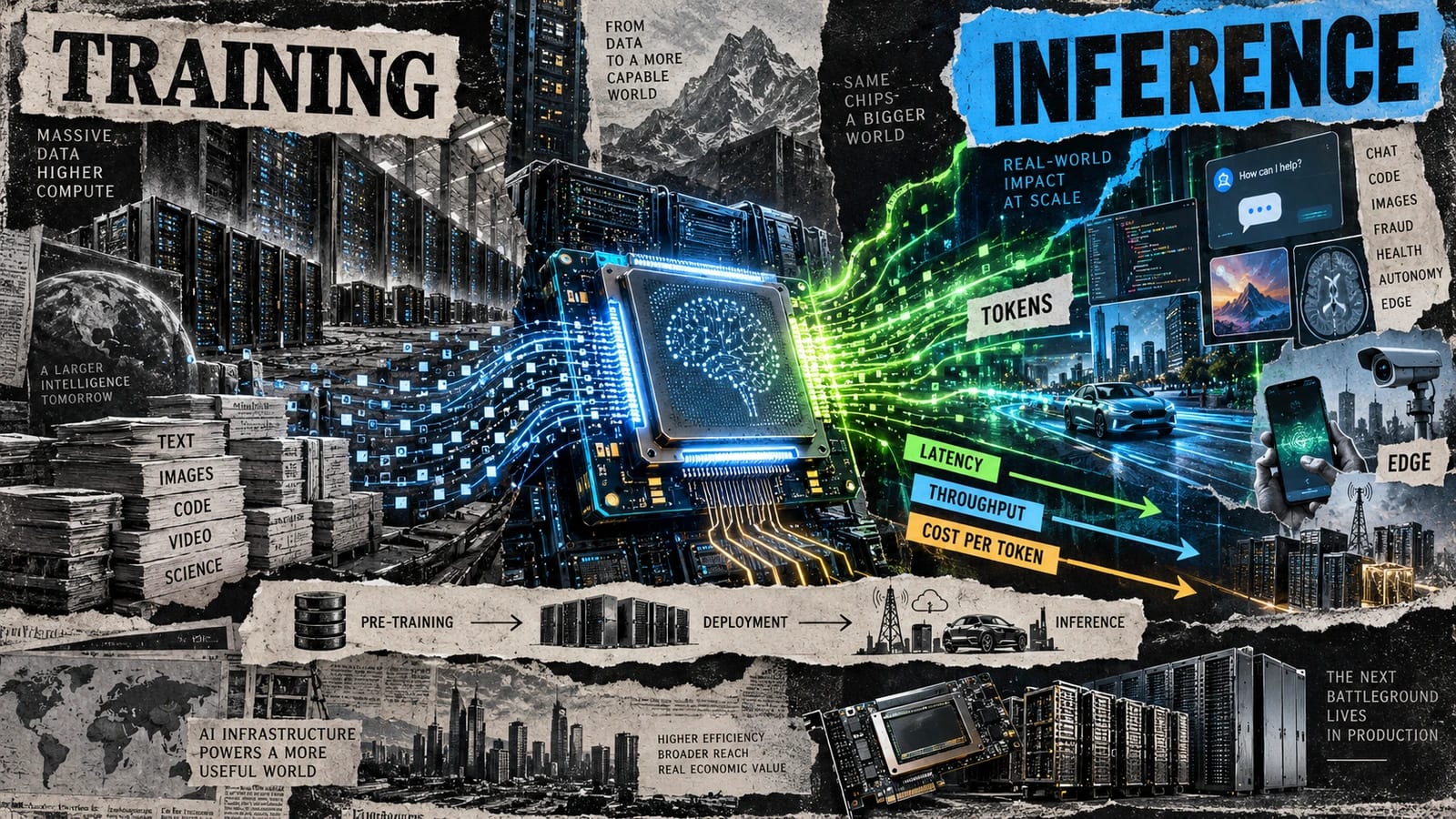
What Is AI Inference? Why the Next AI Chip Battle Is Moving Beyond Training
AI inference is running a trained model to generate outputs on new data. It now accounts for 80% to 90% of AI compute costs and is becoming the main battleground for chipmakers like NVIDIA, AMD, and OpenAI.
Fresh Reporting
Browse All Stories →Latest from The Ledger
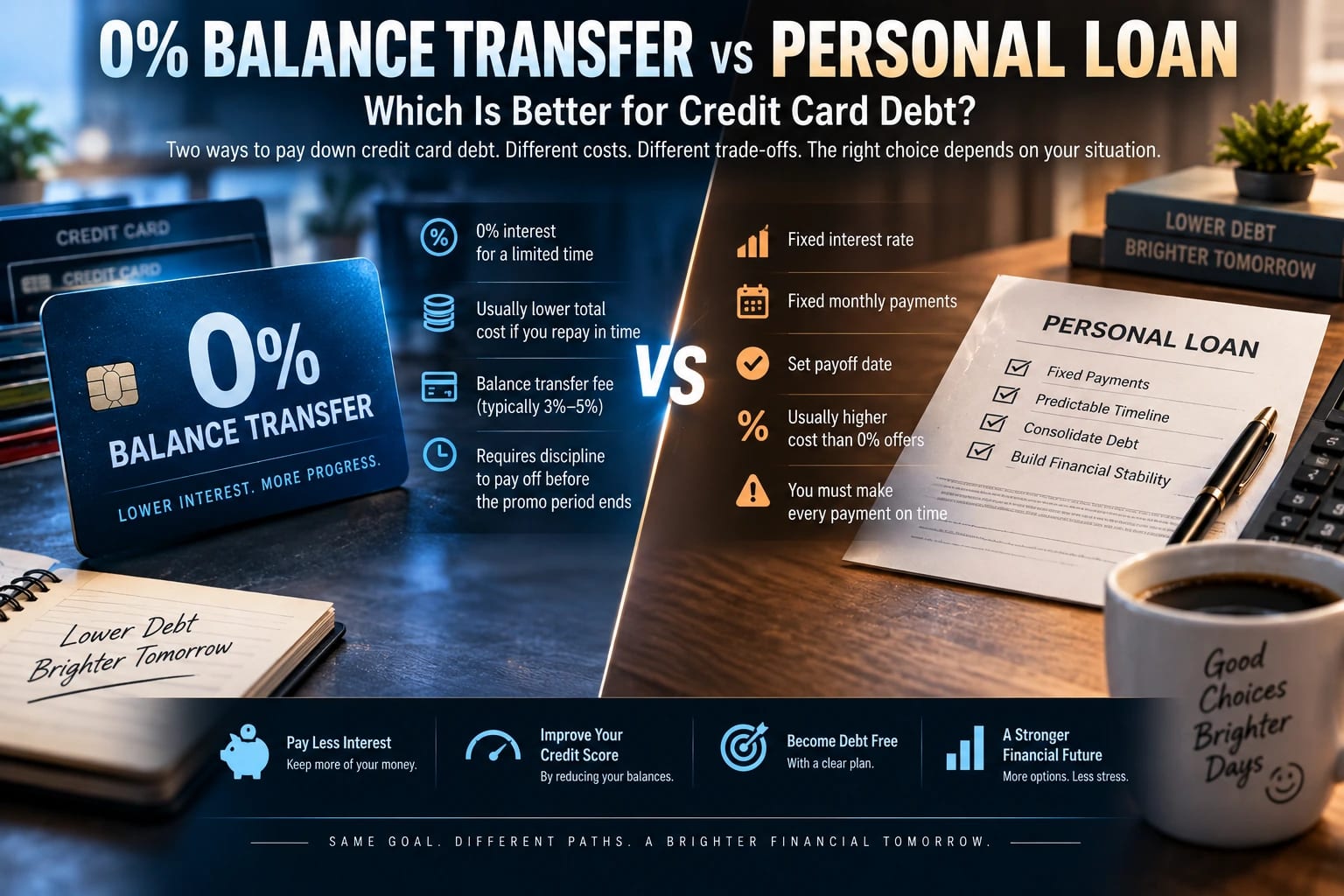
0% Balance Transfer vs Personal Loan: Which Is Better for Credit Card Debt?
A 0% balance transfer may save more if you can repay the debt during the promotional period. A personal loan offers fixed payments and more time. Compare the real costs before choosing.




Leave a Comment
Your email address will not be published. Required fields are marked *